

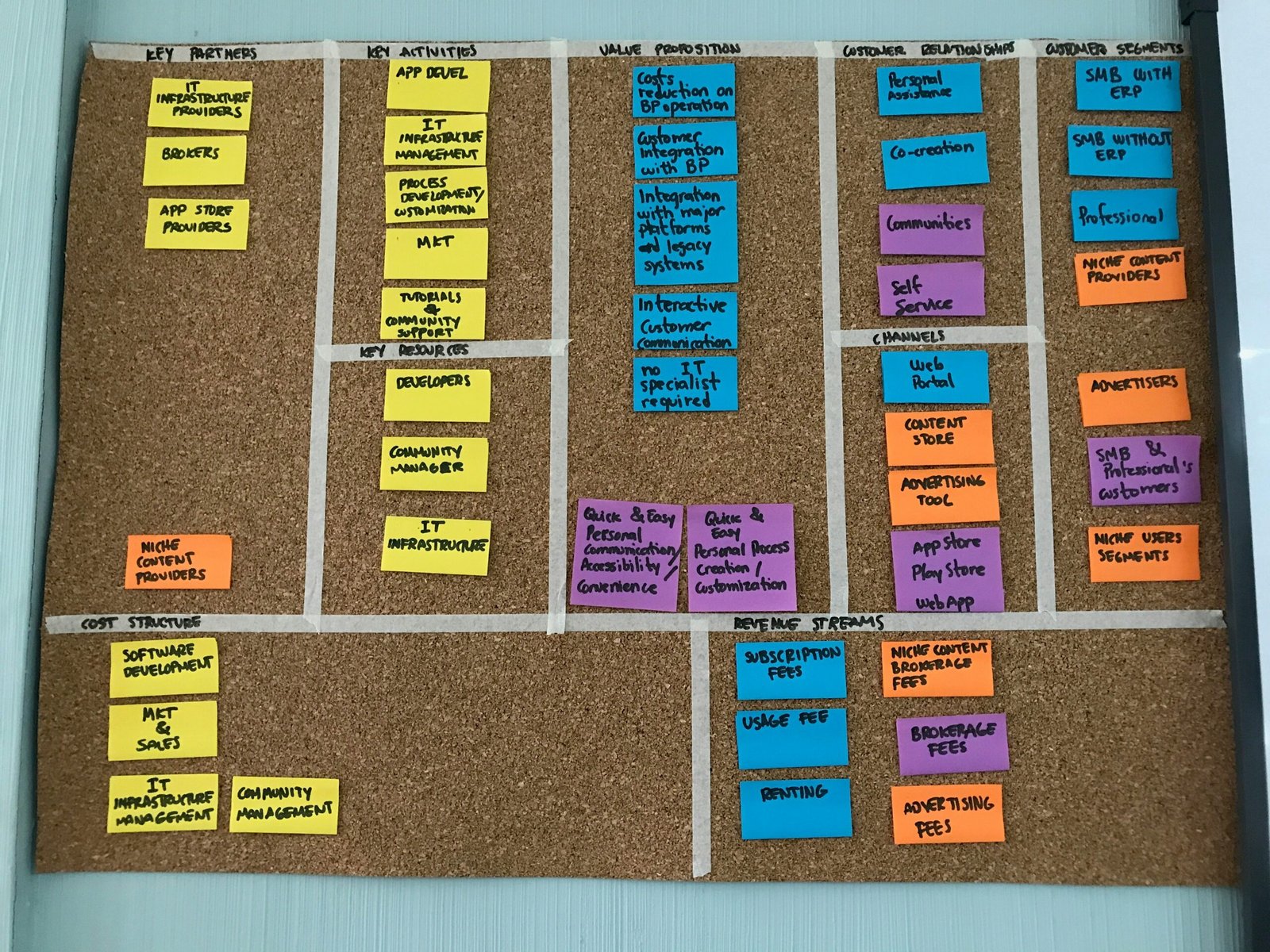
Understanding Market Analysis
Market analysis is a critical component of any successful business strategy. It refers to the process of gathering, analyzing, and interpreting data about a market, including information about the target audience, competitors, and the overall industry landscape. By thoroughly understanding market dynamics, organizations can make informed decisions that align with consumer needs and market trends.
There are several types of market analysis, each focusing on specific aspects that impact business operations. Industry analysis examines the broader environment in which a business operates, assessing factors such as market size, growth potential, and regulatory influences. This type of analysis helps organizations identify opportunities and threats that could affect their market position.
Competitor analysis is another fundamental element of market analysis. This involves evaluating competitors’ strengths and weaknesses, tracking their strategies, and measuring their market performance. By understanding how competitors operate, businesses can develop strategies to differentiate themselves and capture a larger market share.
Target audience analysis focuses on identifying and understanding the specific demographics, preferences, and behaviors of potential customers. This enables businesses to tailor their products, services, and marketing efforts to meet the needs of their audience effectively. A comprehensive understanding of the target audience can lead to higher customer satisfaction and loyalty.
In essence, market analysis encompasses a multifaceted approach that combines these various analyses to provide a well-rounded perspective of the market landscape. It not only aids in evaluating current market conditions but also supports strategic planning and long-term growth. Engaging in thorough market analysis is indispensable for businesses aiming to remain competitive and responsive to changing marketplace dynamics.
Key Components of Market Analysis
Market analysis is a fundamental process through which businesses assess the dynamics and conditions of a market. A thorough market analysis encompasses several critical components, notably market size, growth trends, demographics, customer needs, and the competitive landscape. Each of these elements plays a vital role in providing a comprehensive understanding of the market.
Firstly, market size is an essential component that represents the total potential of a market. It quantifies the volume or value of a specific segment, enabling businesses to gauge opportunities and scale. Understanding the market size aids organizations in resource allocation and is often a pivotal factor in investment decisions.
Next, growth trends indicate the trajectory of a market over time. By examining historical and current data, businesses can identify whether a market is expanding, contracting, or staying stable. This insight aids in forecasting future performance and can significantly impact strategic planning and long-term business objectives.
Demographics further enrich market analysis by providing details about the target customers. This includes age, gender, income levels, and geographic location. A thorough understanding of demographics allows companies to tailor their products and marketing strategies more effectively, ensuring alignment with customer expectations and needs.
Furthermore, customer needs are a critical component that must be evaluated. This encompasses understanding what motivates customers to make purchasing decisions, their pain points, and the value propositions that resonate with them. Businesses that can successfully align their offerings with customer needs often enjoy competitive advantages.
Lastly, an analysis of the competitive landscape highlights the strengths and weaknesses of rivals. Identifying key players, their market share, and competitive strategies enables businesses to position themselves effectively, ensuring they can respond adeptly to market changes and challenges.
Tools and Techniques for Conducting Market Analysis
Conducting a thorough market analysis is crucial for businesses aiming to understand their environment and make strategic decisions. There are various tools and techniques available for both qualitative and quantitative research methods, enabling organizations to gather comprehensive insights.
One of the most widely recognized frameworks is the SWOT analysis, which allows businesses to evaluate their Strengths, Weaknesses, Opportunities, and Threats. This tool helps in identifying internal capabilities and external factors affecting performance, facilitating informed decision-making.
Another effective tool is the PESTEL analysis, which examines the Political, Economic, Social, Technological, Environmental, and Legal factors impacting a market. By understanding these external influences, businesses can anticipate changes and adapt their strategies accordingly.
Surveys and questionnaires also serve as fundamental tools in market analysis. These methods enable companies to collect primary data directly from target audiences, gauging customer preferences, satisfaction levels, and buying behavior. The data gathered can be quantitatively analyzed to reveal trends and patterns crucial for marketing strategies.
Market research reports synthesize insights from multiple sources and can encompass a range of topics from industry trends to competitive analysis. These documents provide a comprehensive overview and often leverage existing data to validate findings. However, it’s essential to choose reports from credible sources to ensure accuracy and relevance.
In conclusion, utilizing a combination of these tools and techniques enriches the market analysis process. By integrating both qualitative and quantitative methods, businesses can develop a well-rounded understanding of their market landscape, enabling them to make strategic decisions that enhance their competitive advantage.
Applying Market Analysis Findings
Market analysis serves as a foundational element in the strategic planning process for businesses. By thoroughly examining market conditions, consumer behavior, and competitive landscapes, organizations can extract valuable insights that directly inform marketing strategies, product development, and overall decision-making. For instance, when a company identifies a growing trend within a specific demographic through market analysis, it can tailor its marketing efforts to target that group effectively, thereby optimizing customer engagement and increasing sales conversions.
Furthermore, the findings from market analysis can significantly enhance product development initiatives. By understanding market demands and consumer preferences, businesses can innovate and refine products that meet existing gaps or emerging trends. For example, a technology firm performing market analysis might discover a rising interest in eco-friendly gadgets, prompting them to design products that align with sustainability goals, thus gaining a competitive advantage in the marketplace.
In addition to guiding marketing and product strategies, market analysis findings benefit overall business performance. Organizations that make data-driven decisions tend to allocate resources more efficiently, minimizing waste and maximizing returns. They can also identify potential risks and opportunities in the market, which allows for timely adjustments to business strategies. Regularly updating market analysis is crucial; market conditions can shift due to various factors such as economic changes, technological advancements, and evolving consumer preferences. By staying attuned to these dynamics, businesses ensure that their strategies remain relevant and impactful.
Ultimately, the application of market analysis is an ongoing process that requires consistent evaluation and adaptation. Companies that embed market analysis into their strategic planning are better positioned to respond proactively to changes, fostering growth and resilience in a competitive environment.
