

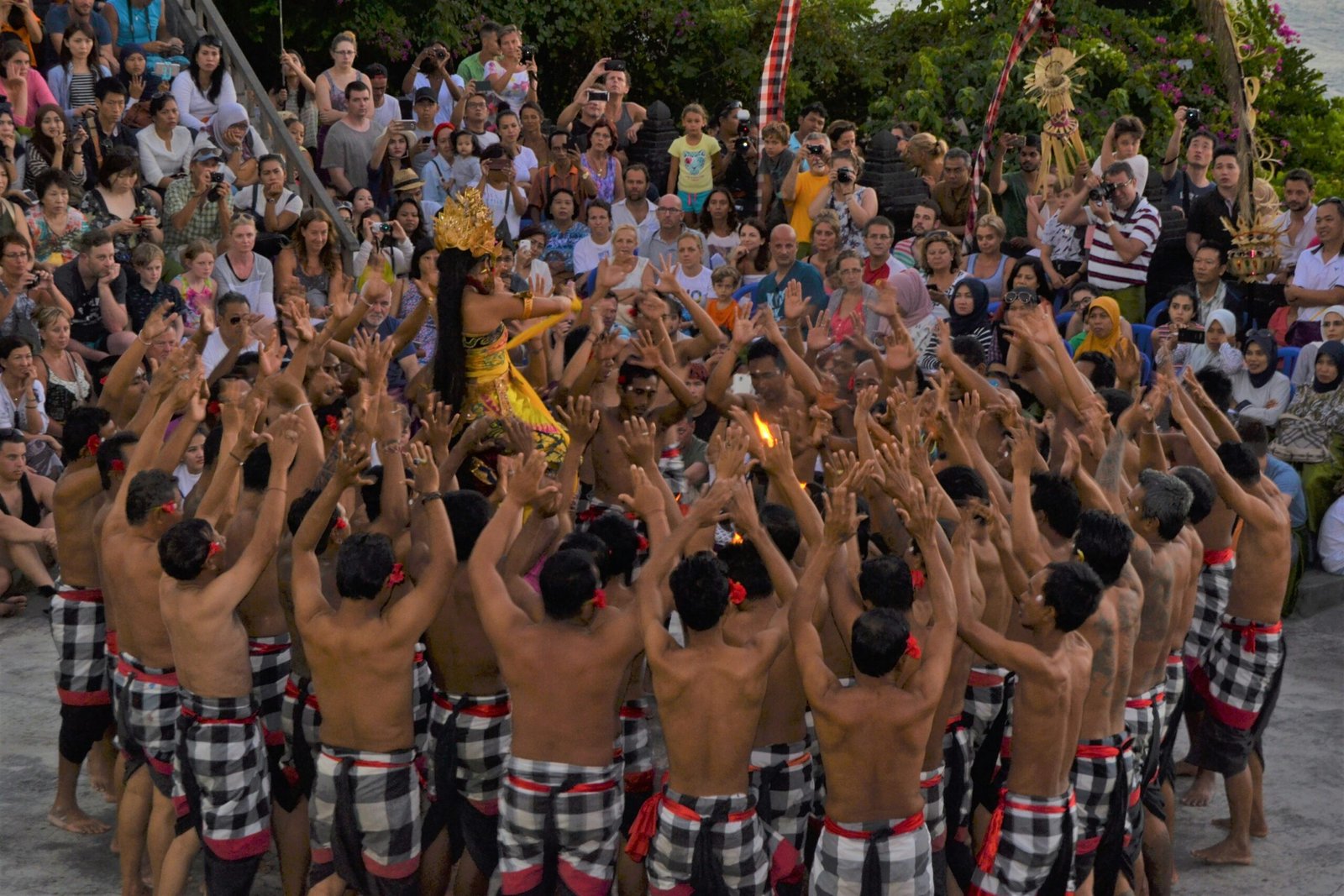
Understanding Cultural Exchange
Cultural exchange refers to the dynamic transfer of ideas, values, traditions, and practices among various cultural groups. In today’s increasingly interconnected world, this concept is particularly significant, bridging gaps between communities and fostering a more profound appreciation for diversity. By sharing their unique cultures, individuals or groups engage in a reciprocal process where they not only impart their own customs but also gain insights into the lives and values of others.
The significance of cultural exchange extends beyond mere interaction; it plays a crucial role in promoting mutual respect and understanding among diverse populations. In an age characterized by globalization, the interaction between different cultural entities is both inevitable and necessary. This interaction often leads to the enrichment of societies, as cultural engagements enhance awareness and appreciation for various artistic expressions, culinary practices, and social customs. As a result, cultural exchange can help dismantle stereotypes and prejudices that contribute to societal divisions.
Moreover, cultural exchange facilitates collaborative opportunities, whether in arts, education, or business. People involved in cultural exchanges can participate in workshops, festivals, or educational programs that encourage sharing of knowledge and skills. Such initiatives create platforms for dialogues that nurture an atmosphere of tolerance and peace, allowing communities to work together toward common goals. Through these interactions, participants often discover shared values that transcend cultural boundaries, fostering a sense of community and common humanity.
In essence, the practice of cultural exchange serves as a powerful tool for establishing connections and building harmonious relationships between disparate communities. Its impact is profound, as it not only enriches individual lives but also contributes to global cohesion by fostering environments conducive to collaboration and understanding.
Historical Context of Cultural Exchange
Cultural exchange has been a vital component of human history, playing a significant role in shaping societies through the movement of people, ideas, and goods. Throughout the ages, various events have facilitated this exchange, including trade routes, conquests, colonialism, and migration. The Silk Road, for instance, served as a conduit for not only the exchange of silk and spices but also for the transmission of art, religion, and philosophies between East and West. Such interactions fostered a profound merging of cultures, resulting in significant changes to societal norms and practices across regions.
Conquests historically led to the blending of cultures as victors brought their customs and beliefs into subjugated areas. This process may have taken the form of integrating local traditions into their own or imposing their cultural norms upon the conquered. A notable example of this is the spread of Hellenistic culture following Alexander the Great’s conquests, which altered the cultural landscape of the Mediterranean and beyond. Conversely, colonialism introduced a complex dynamic where European powers imposed their cultures on indigenous populations while simultaneously being influenced by local traditions, leading to both cultural enrichment and, at times, cultural erosion.
Migration has further enriched cultural exchange, as people carry their distinct traditions, languages, and practices to new lands. This movement has facilitated the intermingling of cultural identities, resulting in hybrid forms that reflect elements from multiple backgrounds. For example, diasporic communities have brought culinary traditions, artistic expressions, and social customs that transform both the origin and host cultures. While cultural exchange generally promotes understanding and cooperation, it can also lead to tensions and conflicts as identities evolve and compete. An awareness of these historical perspectives allows us to appreciate the ongoing dynamics of cultural exchange and its implications in today’s globalized world.
Modern Examples of Cultural Exchange
In today’s interconnected world, cultural exchange is facilitated through various platforms and events that enable communities to share their traditions, art, and cuisines. Festivals, for instance, serve as vibrant showcases of cultural diversity, where participants partake in different cultural expressions. Events such as the Edinburgh Festival Fringe and the Carnival of Rio de Janeiro attract both locals and international tourists, creating a dialogue through performance arts, music, and dance. These festivals not only promote cultural appreciation but also foster economic development within host locations.
Art exhibits represent another key avenue for cultural exchange in the modern era. Global art fairs like Art Basel and the Venice Biennale bring together artists from different backgrounds, allowing audiences to experience a medley of global perspectives. These exhibitions often feature collaborative projects that highlight shared themes, thus promoting dialogue between varying cultural narratives. By immersing visitors in different artistic traditions, these initiatives encourage an understanding of diverse worldviews.
Culinary experiences have also emerged as a significant aspect of cultural exchange. Culinary tourism invites travelers to explore local cuisines while offering chefs the opportunity to introduce their cultures through food. Restaurants that offer fusion dishes exemplify how culinary practices can blend and adapt, reflecting a broader narrative of global interconnectivity. Furthermore, cooking workshops and food festivals allow individuals to engage directly with culinary traditions, thereby enhancing their appreciation for different heritages.
Moreover, educational exchanges, facilitated by scholarships and international student programs, enhance understanding between cultures. Initiatives like the Fulbright Program provide opportunities for students to immerse themselves in foreign educational settings, promoting mutual understanding and collaboration. As technology has advanced, options for virtual exchanges have also proliferated, bridging geographical gaps and making cultural dialogue universally accessible.
In essence, through festivals, art exhibits, culinary experiences, and educational exchanges, cultural exchange serves as a powerful tool for fostering unity and enriching lives. These initiatives highlight the diverse spectrum of human experiences, reinforcing the importance of embracing cultural diversity in contemporary society.
The Future of Cultural Exchange
The future of cultural exchange appears promising as technology continues to evolve, enabling deeper and more meaningful interactions among diverse communities. As we increasingly inhabit a digital landscape, new platforms and tools will facilitate the sharing of cultural knowledge, traditions, and experiences across borders. Virtual reality (VR) has emerged as a groundbreaking medium, allowing users to immerse themselves in different cultures without the limitations of physical travel. Through VR, individuals can participate in cultural rituals, attend international festivals, or explore historical sites, thereby gaining a more profound understanding of various ways of life.
Moreover, the rise of global collaborations in fields such as art and music exemplifies how cultural exchange can thrive in this interconnected era. Artists and musicians from different backgrounds unite to create works that combine their unique cultural elements, fostering innovation while promoting appreciation for diversity. For example, partnerships may result in hybrid musical genres, multimedia art installations, or co-authored literature that reflect the synergy of cross-cultural influences. Such creative relationships not only enrich the cultural landscape but also challenge preconceived notions and foster empathy.
However, as we embrace these advancements, it is crucial to address the challenges posed by authenticity in cultural exchange. As cultures blend and interact, the potential for appropriation and the dilution of traditions increases. Social media plays a significant role in this dynamic, serving as a platform for cultural sharing and, at times, appropriation. Navigating this landscape requires a commitment to authenticity, as communities strive to share their heritage while ensuring that their practices and narratives remain respectful and true to their origins. By recognizing and addressing these challenges, we can harness the potential of technology and social platforms to enrich lives while fostering a genuinely reciprocal cultural exchange experience.
