

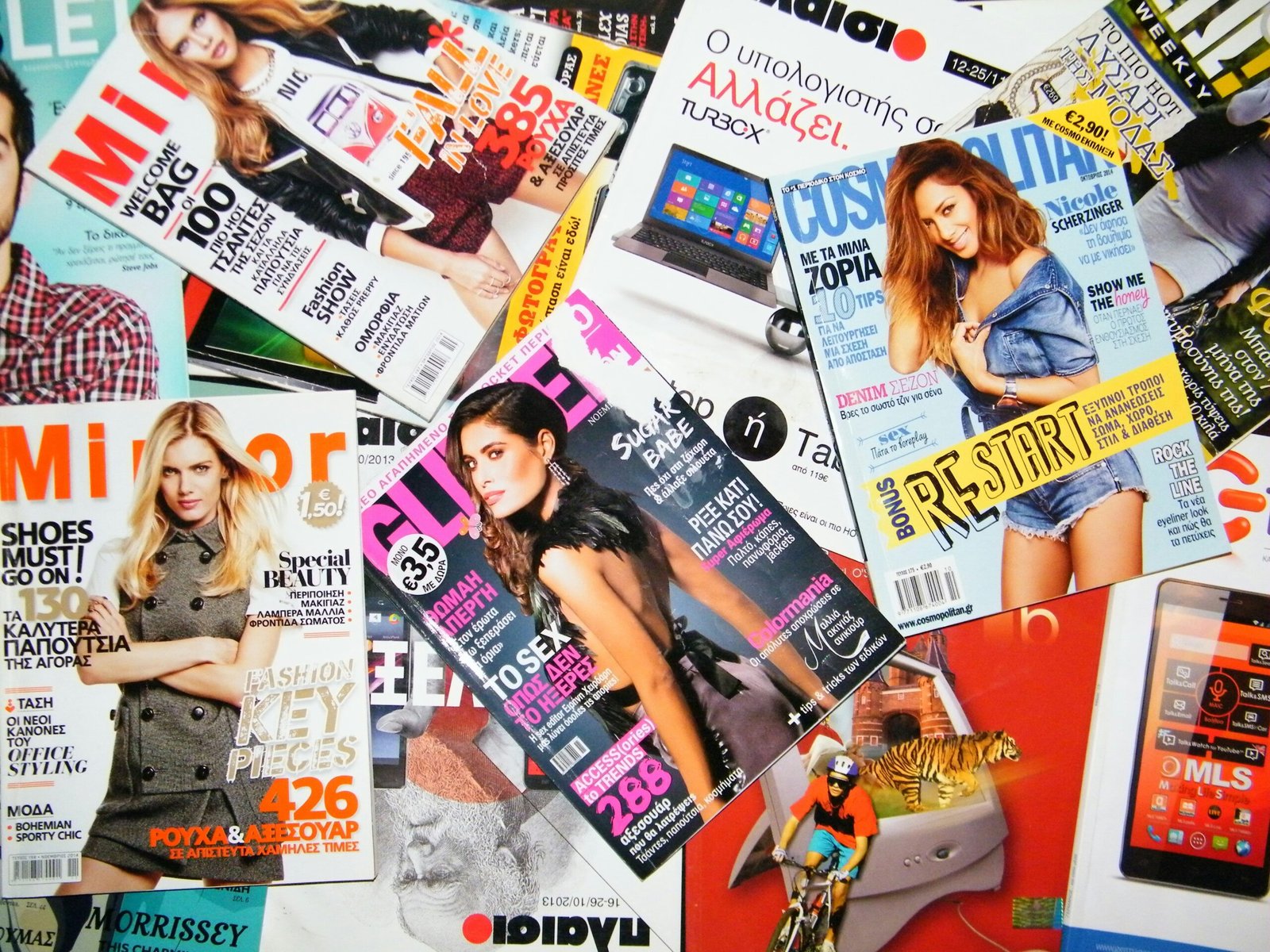
The Historical Evolution of Fashion Magazines
Fashion magazines trace their origins back to the late 18th century, primarily in Europe, where they began as simple publications showcasing the latest styles and trends. One of the first examples is “Le Mercure Galant” in France, dating back to 1672, which featured fashion alongside literature and social commentary. However, it wasn’t until the 19th century that fashion magazines truly gained popularity and began to transform the industry significantly.
During the 19th century, publications such as “Harper’s Bazaar,” founded in 1867, and “Vogue,” launched in 1892, emerged as influential platforms for fashion news. These magazines not only showcased garments but also offered insights into lifestyle and culture, reflecting the societal changes occurring during that era. They adapted to the evolving requirements of their audience, incorporating women’s rights movements and changes in social status into their editorial choices.
The early 20th century witnessed the rise of photography, altering the landscape of fashion publications. The ability to capture garments and models visually allowed magazines to provide a more dynamic representation of fashion, transforming the way trends were presented and understood. The introduction of color photography in the mid-20th century further enhanced the aesthetic appeal of these publications, drawing in a diverse readership.
In recent decades, the advent of the internet has had a profound impact on fashion magazines. Digital platforms have revolutionized how content is consumed, facilitating immediate access to fashion trends and news. Online publications serve as an extension of traditional fashion magazines, ensuring a broader outreach and enabling real-time updates. The interactive nature of the web allows for audience engagement, emphasizing the transition from passive consumers of fashion to active participants in building fashion narratives.
The Role of Fashion Magazines in Defining Trends
Fashion magazines play a pivotal role in shaping the trends that define the industry and influence consumer behavior. These publications serve as a confluence of creative ideas, showcasing the latest designs and styles through carefully curated content. Editors, photographers, and stylists collaborate to construct compelling visual narratives that not only highlight outfits but also encapsulate cultural themes and movements, thus playing an integral role in the editorial process.
Through features such as lookbooks, photo spreads, and articles, fashion magazines actively promote certain aesthetics that readers and consumers adopt. These editorial choices often reflect broader societal trends, making them a barometer for prevailing tastes and preferences. The synergy between fashion editors and designers is crucial here; editors have the unique ability to interpret designers’ visions through a specific lens, ultimately rendering these styles accessible to the public. The precise selection of colors, patterns, and silhouettes creates an aspirational vision that readers not only admire but also strive to emulate.
Moreover, fashion magazines serve as vital platforms for emerging designers and trends, helping them gain exposure in a notoriously competitive market. By featuring new talent and innovative ideas, these publications foster a spirit of diversity and creativity that can disrupt traditional norms within the industry. Consequently, the lifecycle of a trend is often initiated by the compelling insights and imagery presented in fashion magazines, which can propel new concepts into the mainstream. Overall, the intertwining relationships between the editorial teams and the fashion industry highlight the significance of these publications in defining contemporary trends.
The Impact of Digital Media on Fashion Magazines
The digital revolution has profoundly transformed the landscape of fashion magazines, significantly altering how this industry operates and engages with its audience. Historically, fashion magazines were characterized by glossy covers and printed pages filled with high-fashion photography. However, the rapid rise of digital media has shifted this paradigm, allowing for more dynamic and interactive experiences. Online publications and fashion blogs have surged in popularity, often providing real-time updates on trends and events that traditional print formats struggle to match.
Social media platforms have also emerged as critical players in shaping public perceptions of fashion. Influencers on platforms like Instagram and TikTok now hold considerable sway over consumer tastes and preferences. These individuals often collaborate with brands and fashion magazines, creating content that resonates more with younger audiences who prefer visual storytelling over static images. The engagement levels on social media often surpass those of traditional print advertisements, prompting many fashion magazines to expand their strategies to include social campaigns that reach their readers more directly.
Additionally, the integration of multimedia content has allowed fashion magazines to enrich their narratives, utilizing videos, podcasts, and interactive features to enhance the reader’s experience. This multimedia approach not only captivates readers but also offers advertisers innovative ways to market their products. As a result, fashion magazines must continuously adapt to remain relevant and appealing in a fast-paced environment dominated by quick content consumption. By embracing digital tools and social connectivity, they can foster stronger relationships with their audience, ensuring the longevity and adaptability of their brand in a rapidly evolving media landscape.
The Future of Fashion Magazines in a Changing World
As we look to the future, fashion magazines stand at a crossroads, facing both challenges and opportunities in an ever-evolving landscape. One of the most pressing issues these publications must navigate is the growing demand for sustainability in fashion media. Readers today are more environmentally conscious and expect brands, including magazines, to reflect these values in their content and practices. This can lead to a significant shift in how fashion stories are told, placing emphasis on sustainable brands, eco-friendly materials, and responsible consumerism.
Diversity and representation are also vital elements that need to be prioritized by fashion magazines. In recent years, there has been a notable shift towards inclusivity within the fashion industry, yet many publications continue to struggle to represent marginalized voices effectively. For fashion magazines to resonate with a broader audience, they must move beyond tokenism and consistently feature diverse models, designers, and narratives. This commitment to inclusivity will not only enrich the content but also foster a stronger connection with readers.
Additionally, innovative storytelling formats offer a pathway for fashion magazines to engage with contemporary audiences. The rise of digital media presents opportunities for interactive content that captivates readers in ways traditional print cannot. By integrating multimedia elements such as video interviews, immersive fashion shows, and social media engagement, magazines can redefine their storytelling approach. As consumer habits shift toward faster, more accessible forms of information consumption, adopting these innovative strategies will be essential for survival.
Fashion magazine that embrace sustainability, diversity, and innovative storytelling will not only retain their cultural significance but may also thrive in this dynamic environment. By addressing these critical issues, they can evolve along with the society they aim to inspire, crafting narratives that resonate with the ideals of future generations.
