

A Brief History of Transportation
The history of transportation can be traced back to the earliest forms of human movement. Initially, humans relied on bipedal locomotion, with walking being the primary means of travel. As societies evolved, so did the methods of transportation. The domestication of animals marked a significant turning point, allowing for the use of horses, oxen, and other beasts of burden, which greatly enhanced mobility and the ability to carry goods.
The invention of the wheel around 3500 BCE in Mesopotamia is one of the pivotal moments in the evolution of vehicles. This innovation led to the development of carts and chariots, enabling more efficient transport over land. Ships, too, began to emerge around this period, with advancements such as the sail facilitating maritime travel and trade. These innovations allowed for the exchange of goods and ideas, ultimately influencing societal structures and economies.
By the 19th century, the Industrial Revolution sparked a dramatic change in transportation with the introduction of steam-powered engines. The locomotive transformed both passenger and freight movement, leading to the establishment of extensive railway networks. Similarly, steamships revolutionized marine transport, connecting continents and globalizing trade. The expansion of these systems significantly impacted urban development, as cities adapted to accommodate the influx of people and resources.
Throughout the 20th century, the evolution of transportation continued with the introduction of automobiles and airplanes. These innovations shifted the focus from rail and maritime transport, allowing individuals greater freedom in travel and the movement of goods. This historical progression illustrates how transportation systems have continuously adapted to meet the needs of society, influencing cultural and economic development along the way.
Modern Transportation Systems
Modern transportation systems encompass a wide range of methods utilized for the movement of people and goods across various distances. These systems can largely be categorized into four primary modes: road, rail, air, and sea. Each mode serves a unique role in the overarching transportation framework, catering to different needs of society.
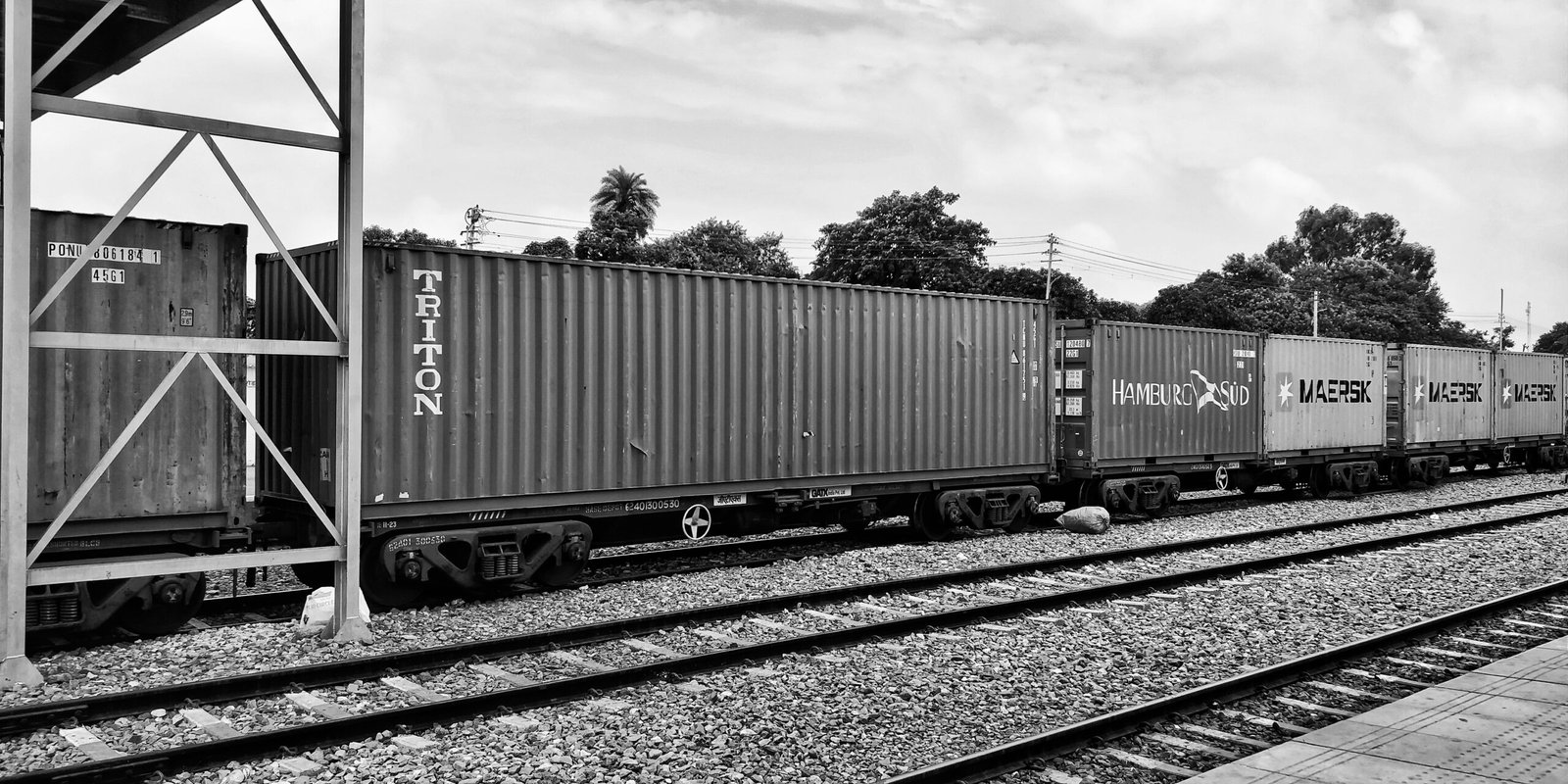
Road transportation is perhaps the most familiar, comprising personal vehicles, buses, and trucks. With the flexibility to traverse urban and rural areas alike, road systems facilitate the daily commutes of millions. However, challenges like traffic congestion and environmental impact remain prevalent. Conversely, rail transportation, which includes freight trains and passenger trains, offers an efficient alternative with lower carbon emissions. Railways are particularly advantageous for bulk transport over land, yet they can be limited by the fixed routes they operate on.
Air transport represents the fastest method of travel, connecting distant locations in a fraction of the time it would take through other means. While air travel is ideal for international transport, it is often limited by high costs and accessibility issues. Sea transportation, notably critical for global trade, handles the shipping of goods between continents. Maritime routes are indispensable for transporting bulk cargo, though they can be subject to delays due to weather conditions.
The evolution of public versus private transportation continues to shape urban transit solutions. Public transport systems, such as subways and buses, provide essential services, reducing congestion and pollution. Technological advancements, primarily through GPS and mobile applications, have revolutionized how individuals engage with transportation. Real-time tracking and ride-sharing services have made commuting more convenient and efficient than ever before.
In summary, the complex landscape of modern transportation systems is marked by distinct advantages and challenges across each mode. The interplay of public and private solutions, alongside technological innovations, continues to redefine how we navigate our environments.
The Future of Transportation: Innovations and Trends
The future of transportation is being dramatically reshaped by a multitude of innovations and emerging technologies. Among these, electric vehicles (EVs) stand out as a significant development. With growing environmental concerns and advancements in battery technology, EVs are becoming more efficient and accessible. This shift not only reduces reliance on fossil fuels but also contributes to lower emissions, aligning with global sustainability goals.
Alongside electric vehicles, autonomous driving technology is rapidly evolving. Companies are actively investing in software that allows vehicles to operate without human input, promising to enhance safety and reduce traffic congestion. The integration of artificial intelligence in transportation systems facilitates real-time data utilization for optimal route planning. Such innovations have the potential to redefine urban mobility, making transportation systems smarter and more responsive to the needs of users.
The introduction of high-speed rail systems is another vital trend in the transformation of transportation. By significantly reducing travel times between cities and enhancing the connection between urban areas, these systems reflect a global focus on improving long-distance commutes. High-speed trains offer a sustainable alternative to air travel, decreasing carbon footprints while providing efficient service.
In urban environments, the rise of urban air mobility is preparing the way for drones and flying taxis to redefine the transportation landscape. The concept of air mobility could alleviate traffic congestion and provide quicker transport solutions over short distances. The use of drones in logistics and goods delivery also hints at a new frontier in transportation, offering rapid and efficient service.
These innovations not only promise improved efficiency and sustainability but also pose new challenges for urban planning. City infrastructure will need to adapt to integrate these advanced transportation modalities, ensuring safety and accessibility for all users. This dynamic interplay between innovation and urban planning will guide the evolution of transportation in the coming decades.
Challenges Facing the Transportation Sector
The transportation sector is currently grappling with several critical challenges that affect its efficiency and sustainability. One of the most pressing issues is congestion. Increasing urbanization has led to a dramatic rise in traffic volume, overwhelming existing roadways and public transport systems. This not only affects travel times but also heightens stress levels among commuters and reduces overall productivity in urban centers.
Another significant challenge is pollution. Emissions from vehicles contribute to air quality deterioration and pose health risks to populations. The reliance on fossil fuels in the transportation sector exacerbates the issue, leading to global warming and other environmental concerns. As cities grow and populations increase, the demand for sustainable transportation solutions becomes more urgent.
Infrastructure decay represents a further complication. Many regions are dealing with aging transportation networks that require extensive maintenance and upgrading to ensure safety and efficiency. Poor infrastructure can lead to accidents, increased travel times, and a reduction in overall quality of life.
In addition to these challenges, the effects of climate change pose a significant threat to transportation systems. Extreme weather events can disrupt services, damage infrastructure, and necessitate costly repairs. Transportation sectors must adapt to these changes to maintain resilience against climate variations.
Addressing these multifaceted challenges requires a combination of community engagement and proactive government policy. Innovative transportation solutions, such as electric and autonomous vehicles, alongside investments in public transportation and active mobility options, are being explored globally. Merely implementing new technology is not enough; it is essential to involve communities in the planning process to ensure that solutions are equitable and meet the needs of all users. Collective efforts focusing on sustainable practices can pave the way toward a more efficient and environmentally friendly transportation future.
