

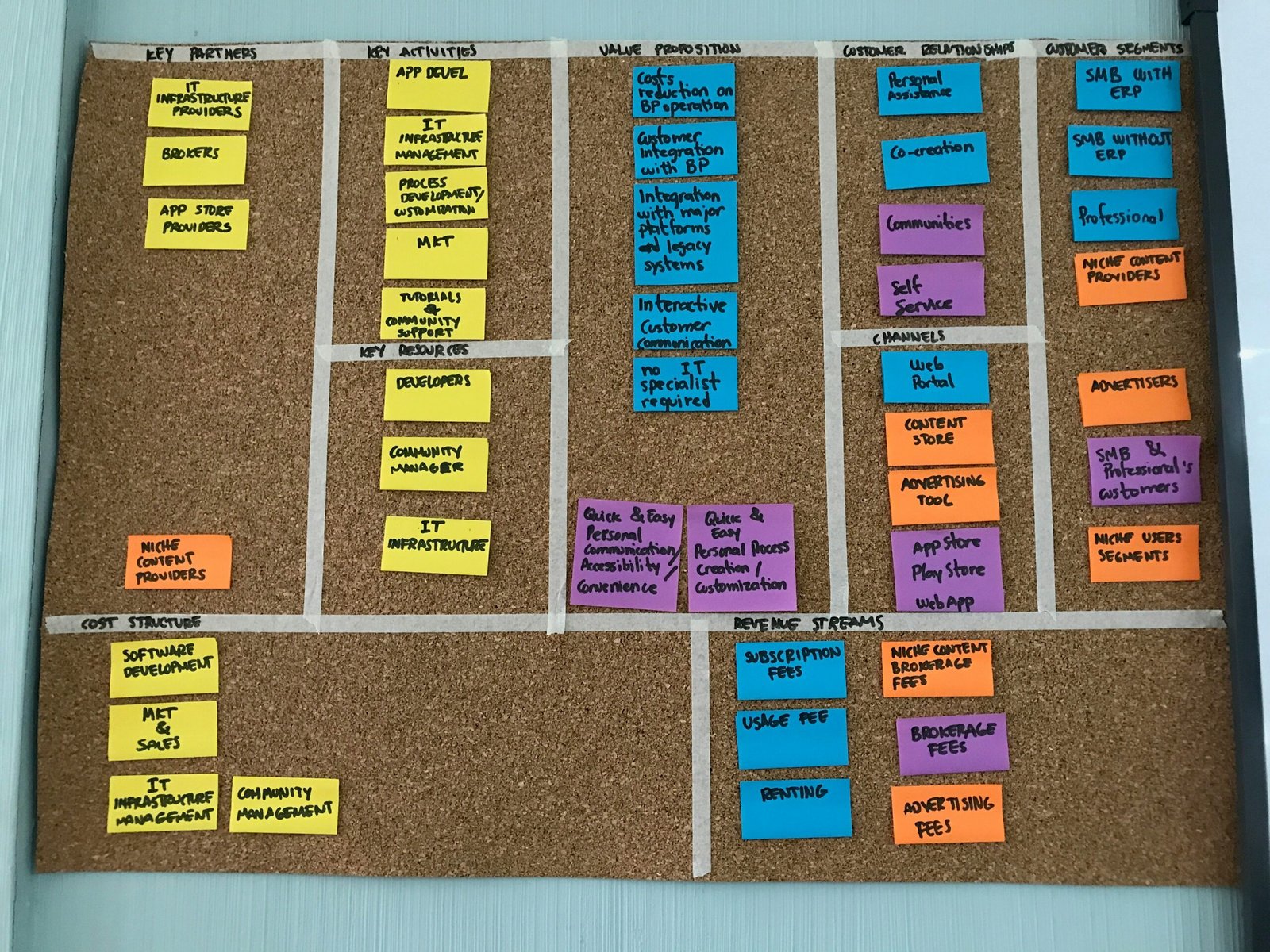
Understanding Business Development
Business development is a multi-faceted discipline that involves the strategic creation of value through various means, including the establishment of relationships, identifying potential markets, and optimizing existing operations. At its core, business development centers around creating opportunities and forging partnerships that lead to organizational growth. By systematically seeking out new customer bases and understanding market dynamics, businesses position themselves effectively to compete in today’s rapidly changing environment.
One of the primary functions of business development is to identify potential customers and assess their needs. This requires a thorough understanding of the market landscape, including competitor analysis and customer behavior. Business development professionals use this information to strategically align their organization’s products or services with the demands of the market. In this sense, business development serves as a bridge between the overarching business strategy and the tactical operations carried out by sales and marketing teams.
It is important to differentiate business development from other business functions, particularly sales and marketing. While sales focuses primarily on closing deals and generating revenue, business development takes a broader approach by fostering long-term relationships and exploring new revenue channels. Marketing, on the other hand, is concerned with promoting products and creating brand awareness. Though they are distinct functions, all three areas of business operate interdependently, contributing to overall organizational success. By establishing a clear understanding of these roles, organizations can harness the full potential of business development, ultimately unlocking long-term value.
The Importance of Long-Term Value Creation
In today’s competitive marketplace, the concept of long-term value creation is pivotal to business development strategies. Organizations that focus on fostering strong relationships with their customers and stakeholders are more likely to achieve sustained growth and profitability. This is primarily because building trust and loyalty among clients fosters an environment of repeat business and referrals, which are essential for long-term success.
Understanding and responding to the evolving needs of customers allows businesses to align their strategic goals with market demands. By engaging in meaningful dialogues with customers, companies can better anticipate changes in preferences or behaviors, leading to more tailored offerings and enhanced customer satisfaction. This proactive approach not only strengthens brand loyalty but also positions the organization as a leader within its industry.
Moreover, long-term value creation extends beyond the customer base to include suppliers, employees, and the community at large. Developing trustworthy relationships with these stakeholders is crucial for achieving operational efficiency and fostering innovation. When employees feel valued and engaged, they contribute significantly to organizational success. Likewise, collaborating with suppliers who share the same commitment to sustainability and ethical practices can enhance product quality and resilience.
Ultimately, focusing on long-term value creation equips businesses with a competitive advantage that is difficult for rivals to replicate. It necessitates a shift in mindset from short-term profit maximization to a more holistic approach that emphasizes sustainable growth. This ensures that the organization is not only thriving in the present but is also well-positioned for future challenges and opportunities. By systematically integrating long-term thinking into the core business development framework, companies can secure their place as trusted leaders in their respective markets.
Strategies for Effective Business Development
Effective business development is crucial for organizations aiming to foster growth and sustainability. A variety of strategies can be employed to achieve these objectives, including networking, market research, partnership development, and the adept use of technology.
Networking is an essential aspect of business development. Building strong relationships within the industry can lead to opportunities that may not be visible through conventional channels. Engaging in industry conferences, trade shows, and relevant community events facilitates introductions to potential partners, clients, and industry leaders. These interactions not only foster goodwill but also pave the way for collaborative ventures.
Market research stands out as another critical strategy. By understanding market trends and customer needs, businesses can tailor their offerings accordingly. Conducting thorough analyses helps in identifying gaps in the market that can be capitalized on, ensuring that products and services meet evolving demands. Furthermore, regular feedback collection from customers can refine existing strategies and enhance overall offerings.
Partnership development is vital for expanding reach and resources. Forming alliances with other companies can provide larger platforms for businesses, facilitating mutual benefits through shared resources and knowledge. This creates synergies that can enhance overall capabilities and leverage complementary strengths, thereby improving competitive advantage.
Leveraging technology is an increasingly important strategy in business development. Utilizing tools such as customer relationship management (CRM) systems can streamline operations, enhance communication, and facilitate better data collection. A more data-driven approach allows for informed decision-making, ultimately leading to more effective strategies and improved outcomes.
Lastly, measuring success in business development efforts is essential. Key performance indicators (KPIs) should be established to track progress, while feedback mechanisms allow for continuous improvement in tactics. By regularly evaluating outcomes, businesses can adapt their strategies to ensure they remain aligned with their long-term objectives.
Building and Nurturing Relationships for Success
In the realm of business development, the emphasis on relationships cannot be overstated. Establishing and nurturing strong interpersonal connections with customers, partners, and stakeholders is crucial to building a sustainable business environment. The foundation for long-term value lies in effective communication, which fosters trust and collaboration across all interactions.
First and foremost, understanding the needs and preferences of stakeholders is vital. Engaging in active listening allows business developers to gather insights and address concerns meaningfully. Personalized communication demonstrates commitment and consideration, strengthening the bond over time. Additionally, leveraging digital tools and platforms can enhance these interactions, enabling swift responses and facilitating ongoing dialogue. Regular updates and feedback requests can keep channels open, ensuring stakeholders feel valued and heard.
Moreover, effective collaboration can create opportunities for joint ventures and partnerships that enhance business development efforts. By collaborating, organizations can leverage each other’s strengths, resources, and networks to reach new markets and develop innovative products or services. Establishing clear objectives and aligning interests is crucial in any partnership to maximize the benefits for all parties involved.
Maintaining relationships also requires proactive engagement strategies. This may include organizing networking events, workshops, or social gatherings that allow stakeholders to connect on a personal level. Additionally, implementing a robust follow-up mechanism after significant interactions will help reinforce the relationship. Recognizing milestones, celebrating successes, and responding thoughtfully to challenges fortify loyalty and trust.
In conclusion, the art of building and nurturing relationships in business development is a pivotal element that can lead to sustained success. By prioritizing communication, collaboration, and thoughtful engagement, organizations can foster lasting partnerships that drive mutual growth and create ongoing business opportunities.
