

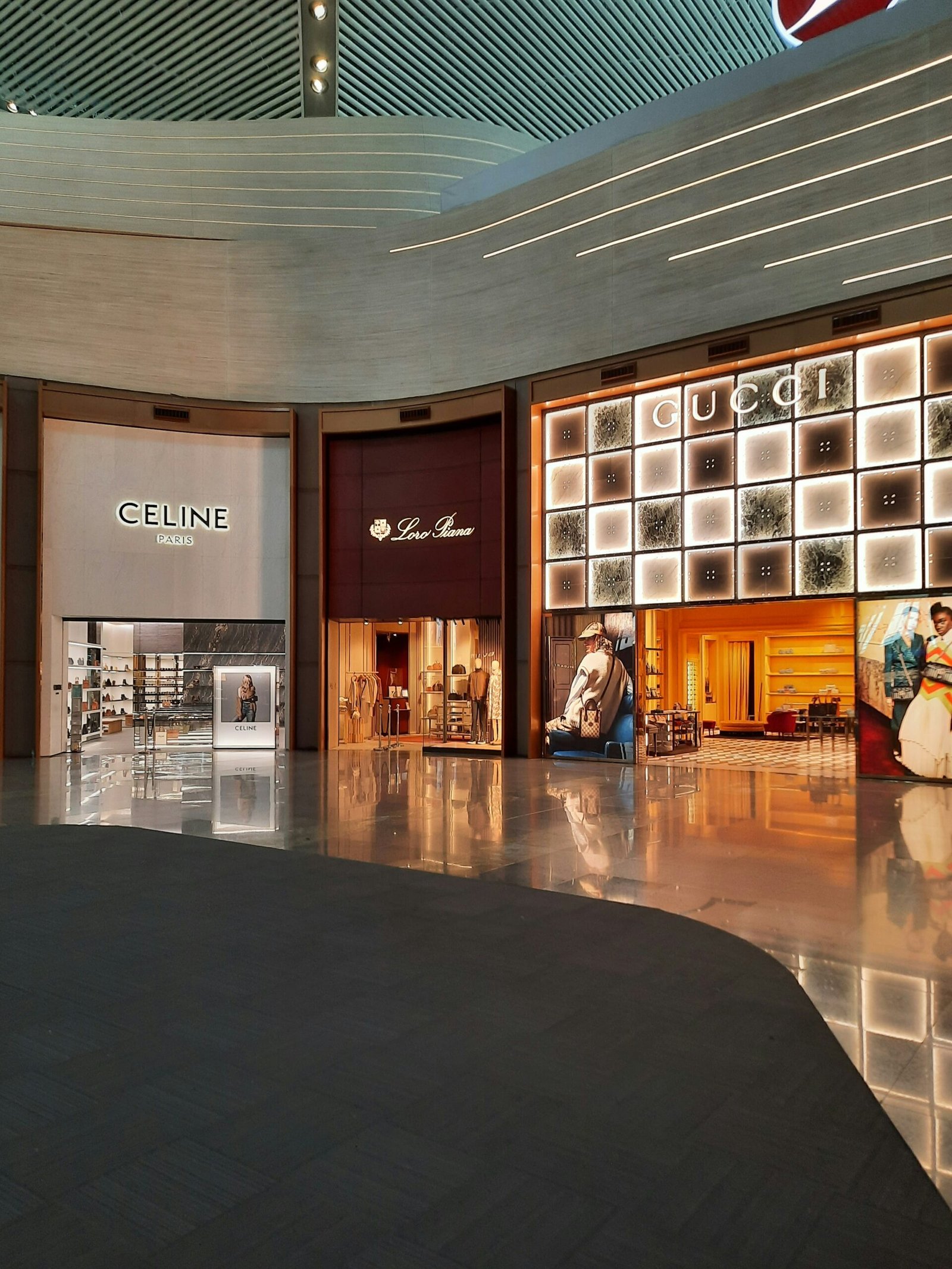
Designer clothing is widely recognized for its superior quality, distinctive style, and luxurious allure. It refers to garments and accessories that are crafted by renowned fashion houses or designers, known for their creative vision and high standards of craftsmanship. The characteristics that set designer clothing apart from mainstream fashion include not only the materials used but also the design techniques and the attention to detail that go into each piece. Typically made from premium fabrics, these items often feature unique cuts, intricate embellishments, and innovative designs that reflect the designer’s artistic expression.
Quality is a cornerstone of designer apparel. Unlike mass-produced clothing, which often prioritizes cost-efficiency, designer pieces are intended to stand the test of time, both in durability and style. This emphasis on longevity is reinforced by the use of exceptional craftsmanship — garments are often hand-constructed or produced in limited runs to ensure that each item meets high expectations. This exclusivity further contributes to the desirability and prestige of designer clothing.
Branding plays an essential role in the world of designer fashion. The name of a designer often carries considerable weight in the perception of the clothing. Established fashion houses leverage their brand identity to create a narrative around their collections, ensuring that each piece resonates with the values and aesthetics that their consumers cherish. Renowned designers not only offer products but also foster a lifestyle and community surrounding their brand, making their clothing not just an item of wear but a statement of individuality and sophistication.
The Evolution of Designer Fashion
Designer clothing has undergone a significant transformation since its inception, marking a journey through various cultural and social changes that shaped the very fabric of luxury fashion. The roots of designer fashion can be traced back to the mid-19th century when figures such as Charles Frederick Worth became the first to create collections that bore their names. This was revolutionary, as it shifted the focus from anonymous tailors to individual designers, elevating fashion to an art form.
The early 20th century saw the emergence of iconic designers such as Coco Chanel, who introduced modernism into women’s wardrobes by emphasizing comfort and simplicity while challenging societal norms. Her design philosophies not only redefined femininity but also laid the groundwork for future design movements. The post-World War II era brought forth the ‘New Look’ as introduced by Christian Dior, which romanticized the female silhouette and directed attention towards opulent fabrics, further enhancing the allure of designer clothing.
The subsequent decades from the 1960s through the 1980s heralded diversity in styles and a wave of innovative designers like Yves Saint Laurent and Gianni Versace, who brought new influences such as youth culture and punk aesthetics into mainstream fashion. As fashion entered the digital era, the rise of streetwear and the influence of social media reshaped the landscape, democratizing designer clothing while still maintaining an air of exclusivity.
In recent years, societal changes regarding sustainability and ethical production have strongly impacted designers and their approach to luxury apparel. Today, consumers are not just seeking aesthetics or prestige but are increasingly concerned about the environmental and ethical implications of their fashion choices. This evolution signifies that designer clothing will continue to adapt, reflecting the values and aspirations of the society it serves.
The Appeal and Value of Designer Clothing
The allure of designer clothing extends far beyond mere aesthetics, as it encapsulates a blend of prestige, status, and emotional connections for consumers. Luxury fashion is often regarded as a symbol of success and sophistication, with designer items serving as a badge of honor in social contexts. This phenomenon stems from the belief that owning high-end apparel can elevate one’s personal style in the eyes of peers, creating a powerful association between fashion choices and social standing.
Designer clothing often crafts a narrative that resonates with individual identity and personal expression. Fashion enthusiasts frequently feel a profound connection to specific brands, driven not just by the product itself, but by the story behind the label. Whether it is a timeless piece from a renowned Maison or an avant-garde collection from an emerging designer, these garments represent more than just fabric; they embody aspirations and values that align with the wearer’s self-perception.
Furthermore, discerning consumers recognize that designer pieces can also hold significant investment value. Luxury fashion items often exhibit a tendency to appreciate over time, making them not merely clothing but rather assets that can provide financial returns. A classic handbag from a prestigious brand, for instance, may retain or even increase its market value, making it a coveted item for resale in the future. This blend of emotional attachment and investment potential enhances the appeal of designer clothing, drawing individuals into a world where fashion transcends the ordinary. While the initial investment may be considerable, the long-term benefits associated with designer items often validate these expenditures, underscoring their role as more than just status symbols but as tools for self-expression and personal narrative.
How to Choose the Right Designer Pieces for Your Wardrobe
Choosing the right designer clothing to enhance your wardrobe requires careful consideration of various factors. Firstly, understanding your personal style is paramount; you should select pieces that resonate with your aesthetic preferences. Be it classic, contemporary, or avant-garde, aligning your wardrobe with your style will ensure that the designer items you purchase are worn and cherished rather than left unused.
Quality is a crucial aspect of designer clothing. When assessing designer pieces, examine the fabric, stitching, and overall craftsmanship. High-quality materials not only feel better against the skin but also tend to last longer, making them a worthwhile investment. Consider timeless pieces such as a well-tailored blazer or a little black dress that can transcend seasons and trends. Though trendy items might be enticing, they often lose relevance as fashion evolves quickly.
Another avenue to explore for acquiring designer clothing is the second-hand market. Many reputable consignment shops and online platforms sell pre-owned designer items at a fraction of the original price, allowing you to add luxury to your wardrobe without incurring a substantial expense. When purchasing second-hand, ensure the authenticity of the items and evaluate their condition critically, to avoid compromised quality.
Lastly, owning designer clothing comes with a responsibility to care for these valuable pieces. Follow washing and maintenance instructions meticulously, as proper care ensures the longevity of your garments. Investing in fabric protectors and keeping items stored appropriately can prevent long-term damage. By making informed choices and caring for your pieces, you can enjoy the elegance and allure of designer fashion for many years to come.
