

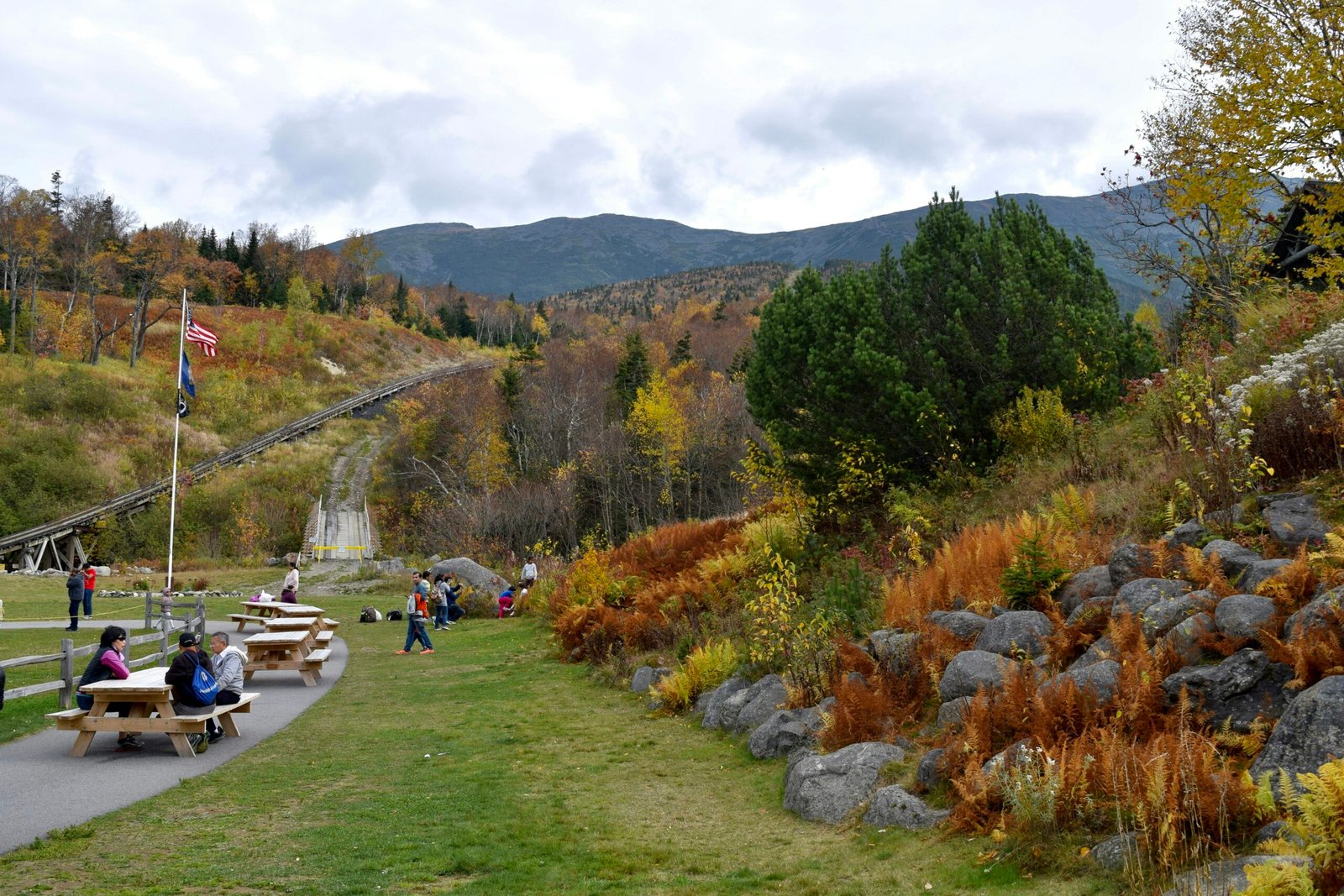
The Importance of Outdoor Activities
Engaging in outdoor activities offers numerous benefits that extend beyond mere enjoyment. One of the most notable advantages is the enhancement of physical health. Regular participation in activities such as hiking, cycling, or jogging improves fitness levels and contributes to better cardiovascular health. By spending time in nature, individuals often find opportunities for exercise that they might not engage in within urban environments. This increase in physical activity can lead to weight management, improved stamina, and enhanced overall well-being.
In addition to physical health, outdoor activities play a vital role in mental well-being. Being in nature has been shown to reduce stress and anxiety, leading to improved mood and emotional health. Activities in natural settings allow individuals to unplug from the pressures of daily life, fostering a sense of tranquility and relaxation. Research indicates that even short periods spent outdoors can improve focus, creativity, and cognitive function. This mental rejuvenation is crucial in today’s fast-paced world, where individuals often face overwhelming demands.
Moreover, engaging in outdoor activities enhances social connections. Whether through group hikes, community sports, or nature volunteer programs, outdoor pursuits provide an excellent platform for meeting new people and forming meaningful relationships. Participating in these activities often leads to a sense of belonging and can strengthen community bonds. As individuals engage with others in outdoor settings, they also cultivate a greater appreciation for nature and the environment.
Finally, regular interaction with nature encourages sustainable practices and environmental stewardship. As individuals experience the beauty and benefits of the outdoors, they are motivated to protect and preserve these natural spaces. This promotes not only personal health but also the health of the planet, creating a sustainable cycle of appreciation and care for the environment.
Popular Outdoor Activities: A Look at What’s Available
Engaging in outdoor activities is a wonderful way to appreciate nature while also enjoying physical exercise and mental relaxation. This section will explore a variety of popular outdoor activities that cater to diverse interests and skill levels.
One of the most favored activities is hiking. This involves traversing trails and paths that can range from simple, flat routes suitable for beginners to challenging mountain hikes. Essential gear includes sturdy footwear, weather-appropriate clothing, and a backpack with water and snacks. Many national parks and nature reserves offer well-maintained hiking trails, though it’s crucial to check trail conditions and prepare adequately with maps and safety equipment.
Camping is another popular outdoor activity, allowing individuals or families to immerse themselves in natural surroundings. From setting up tents in established campgrounds to backcountry camping in remote areas, options abound. Basic camping gear includes a tent, sleeping bags, and cooking supplies. When participating in camping, awareness of local wildlife and fire safety measures is critical for a pleasant experience.
Cycling is a versatile hobby that can be enjoyed on paved roads, gravel paths, and dedicated bike trails. Depending on the intended terrain, cyclists may need mountain bikes or road bikes, along with helmets and safety gear. Various regions offer cycling routes, providing options for all experience levels, and it is advisable to follow local traffic regulations while cycling.
For those interested in water-based adventures, water sports such as kayaking, paddleboarding, and fishing present excellent options. Kayaking requires specific equipment like a kayak, paddle, and life jacket, while fishing typically involves rods and bait. Each of these activities has designated locations, such as lakes, rivers, and coastal waters, where participants can safely enjoy their time.
Lastly, adventure sports like rock climbing, bungee jumping, or zip-lining offer adrenaline-pumping experiences for thrill-seekers. These activities generally require specialized skills and safety gear, alongside trained professionals to ensure safety. Popular destinations for adventure sports include well-known parks and adventure centers that cater to various levels of expertise.
Preparing for Your Outdoor Adventure: Essential Tips and Gear
Embarking on outdoor activities necessitates thorough preparation to ensure a safe and enjoyable experience. The first step in this process is effective planning, which involves selecting a destination that aligns with your interests and skill level. Whether you opt for hiking, camping, or kayaking, understanding the nature of your chosen activity is crucial to maximizing your enjoyment.
One of the primary components of preparation is packing the appropriate gear. Start with clothing suited for the weather conditions, incorporating moisture-wicking materials and layering to maintain comfort. It is also essential to choose durable footwear, especially if your outdoor activities involve uneven terrain. Furthermore, lightweight and compact equipment should be prioritized; items such as a reliable backpack, water bottles, and navigation tools are vital for a smooth experience.
Food preparation plays a significant role, so select nutritious, lightweight snacks that can provide energy throughout your adventure. Consider easy-to-carry items like energy bars, trail mix, or dehydrated meals, particularly if your outdoor activities last for an extended period. Always carry an adequate supply of water or a means to purify natural water sources.
Safety gear is another fundamental aspect of your preparation. A well-stocked first aid kit is paramount, along with a multi-tool for unexpected challenges. Additionally, a map of the area, a compass, and a fully charged mobile device, preferably with a portable charger, ensure you remain oriented and can summon help if necessary.
Lastly, checking the weather forecast prior to your departure is imperative. Understand local regulations, such as fire restrictions or camping permissions, to avoid any issues while enjoying your outdoor activities. Adhering to these guidelines and being properly equipped will significantly enhance your outdoor experience.
Maximizing Your Outdoor Experience: Safety and Ethical Considerations
Engaging in outdoor activities can offer unparalleled experiences in nature, but it is imperative to prioritize safety and ethical practices. Understanding trail etiquette is fundamental to enjoying shared spaces with fellow nature enthusiasts. When hiking, always yield to those moving uphill, allow faster individuals to pass, and maintain a clear path for others. This promotes a harmonious environment and fosters respect among outdoor adventurers.
Wildlife safety is another crucial consideration when participating in outdoor activities. It is essential to observe animals from a distance, as approaching them can disrupt their natural behavior and pose risks to both parties. Each region has specific guidelines for interacting with local fauna; for instance, in bear country, keeping food secured and learning about bear behavior can help prevent dangerous encounters. Understanding these protocols is vital for the safety of both nature lovers and wildlife.
Furthermore, the principles of Leave No Trace serve as a guiding framework for responsible outdoor engagement. This set of guidelines promotes ethical practices that minimize human impact on the environment. Key principles include planning ahead to avoid overcrowding, staying on designated trails, disposing of waste properly, and leaving natural and cultural features undisturbed. These practices ensure that outdoor activities can be enjoyed by future generations without damaging the ecosystem.
Engaging with nature responsibly not only enhances our outdoor experiences but also plays a pivotal role in environmental preservation. By adhering to safety measures and ethical standards, we can enjoy the wonders of the outdoors while safeguarding the beauty and integrity of the natural world. Taking the time to consider these aspects enriches our adventures and reinforces a collective responsibility towards our shared environment.
