

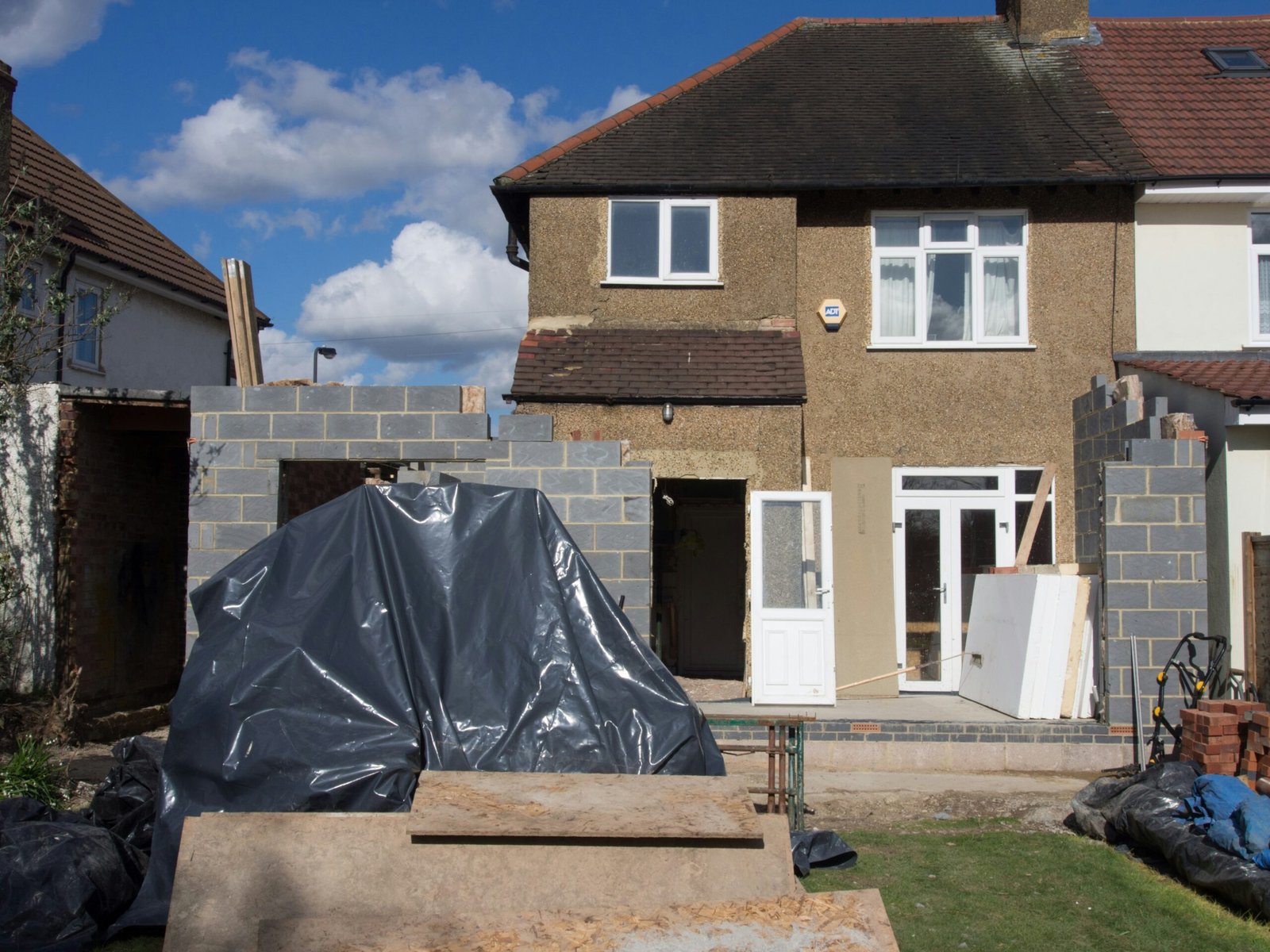
What is Home Repair?
Home repair encompasses a broad range of activities aimed at preserving, maintaining, and improving residential properties. It includes various processes such as fixing, replacing, altering, converting, modernizing, and making additions to a home. These activities are essential to ensure that a residence remains safe, functional, and aesthetically pleasing. Home repairs may range from minor tasks, such as patching up holes or repainting walls, to more significant projects like remodeling a bathroom or upgrading heating systems.
One of the primary purposes of home repair is to maintain the structure’s integrity and value. Regular maintenance helps prevent deterioration that could lead to costlier fixes later on. This preventive approach not only preserves the home’s market value but also enhances the living experience of the residents. An inviting and well-maintained home can significantly impact the quality of life for its inhabitants.
Homeowners often undertake various types of repairs and improvements, which can be classified into several categories. Routine maintenance tasks, such as checking for leaks, changing air filters, and cleaning gutters, are vital to prevent extensive damage. Cosmetic updates, like painting, landscaping, or installing new fixtures, contribute to the home’s overall appearance and can boost a homeowner’s satisfaction. Furthermore, energy-efficient upgrades, such as replacing old windows or upgrading insulation, not only enhance comfort but also lead to reduced utility bills over time.
In conclusion, understanding home repair is crucial for any homeowner who wishes to maintain their property effectively. By staying proactive about repairs and improvements, individuals can ensure that their homes remain a safe, comfortable, and valuable investment for years to come.
Common Types of Home Repairs
Homeowners frequently encounter a variety of repair needs that can significantly impact the comfort and safety of their living environment. Among the most common types of home repairs are plumbing issues, which can arise from leaking pipes, clogged drains, and malfunctioning fixtures. These problems often stem from the deterioration of pipes over time or improper installation. While minor plumbing repairs, such as replacing a faucet or clearing a drain, may be suitable for a DIY approach, more complex issues like pipe replacement or major leaks usually require professional intervention to ensure proper resolution.
Electrical system repairs are another crucial area where homeowners may need assistance. Issues such as faulty wiring, tripped circuit breakers, or malfunctioning outlets can pose serious safety hazards, including the risk of fire. Identifying these problems often requires specialized knowledge, and as a rule of thumb, any major electrical repairs should be entrusted to licensed electricians to ensure compliance with safety codes.
Roofing repairs are essential for maintaining structural integrity and preventing water damage. Common problems include missing shingles, leaks, and wear due to weather exposure. Homeowners should be proactive, addressing minor roof issues promptly to avoid costly repairs down the line. While minor patching may be within the skill set of some homeowners, significant repairs can be dangerous and are best handled by professionals.
Flooring issues, ranging from scratches and water damage to structural instability, can significantly detract from a home’s appearance and safety. Understanding the material in question helps determine the best course of action, whether refinishing hardwood or replacing tiles. These repairs often require a good eye for detail and can benefit from professional expertise.
Lastly, structural issues can manifest as cracks in walls or uneven flooring, signaling deeper problems with the foundation. Addressing these types of repairs is crucial; neglecting structural issues can lead to more extensive damage. Homeowners should consult professionals when in doubt, particularly for concerns regarding safety. Timely repairs not only preserve the home’s value but also enhance the overall quality of living.
The Home Repair Process: Steps to Take
Undertaking home repairs can seem daunting, but breaking the process down into manageable steps can significantly alleviate stress. The very first step is to assess the repair needs of your home. This involves inspecting the residence thoroughly and identifying issues that require attention, ranging from minor cosmetic damage to critical structural concerns. During this evaluation, it is essential to document all problems as this will serve as a guide throughout the repair process.
Once you have a comprehensive understanding of the repairs required, the next step is planning and budgeting. Assign a cost to each identified issue, factoring in both materials and potential labor costs. Proper budgeting is crucial, as it ensures that you do not overspend and helps prioritize repairs based on urgency and available finances.
After budgeting, it is important to gather all necessary tools and materials. Depending on the nature of the repairs, you may require an assortment of tools ranging from basic hand tools to more specialized equipment. Collecting these beforehand can streamline the repair process, minimizing delays and distractions.
Safety protocols cannot be overlooked during any home repair project. Always wear protective gear, such as gloves and goggles, and adhere to safety guidelines to prevent injuries. If the repairs are extensive or involve hazardous materials, consider whether the project is suitable for DIY or if it would be wiser to hire a professional contractor.
Ultimately, effective management of the project involves scheduling tasks realistically. Prioritize work based on the severity of issues and ensure you allocate sufficient time for each repair. By following these steps, you can navigate the home repair process systematically and efficiently, ensuring successful outcomes while keeping your residence well-maintained.
Tips for Homeowners: Maintaining Your Residence
Effective home maintenance is crucial for preserving the longevity and value of your property. Homeowners can adopt several strategies to ensure their residence remains in optimal condition, preventing the necessity for costly, major repairs. Regular upkeep involves simple tasks that, when carried out consistently, can significantly reduce the risk of larger issues arising.
One of the best practices is to establish a comprehensive home maintenance schedule. This should include a list of seasonal tasks that must be performed regularly. For instance, checking and replacing air filters every three months can enhance indoor air quality and the efficiency of heating and cooling systems. It is also vital to inspect gutters and downspouts for debris, as clogs can lead to water damage and foundational issues.
In addition to routine tasks, homeowners should be vigilant in identifying potential problems before they escalate. Regularly inspecting areas such as roofs, basements, and attics can help detect leaks, mold, or other structural damage early. Furthermore, an annual home inspection by a qualified professional can provide valuable insights into the condition of your home, revealing hidden issues and helping homeowners prioritize repairs.
Another effective strategy is to document all maintenance and repairs. Keeping a log not only assists in tracking improvements but also adds value should you decide to sell your home in the future. Homeowners should also consider creating a budget for routine maintenance and unexpected repairs to minimize stress when issues arise.
In summary, maintaining your residence involves diligent upkeep, seasonal tasks, and keen observation to identify and address potential issues. A structured approach to home maintenance will not only safeguard your investment but also foster a safe and comfortable living environment for years to come.
