

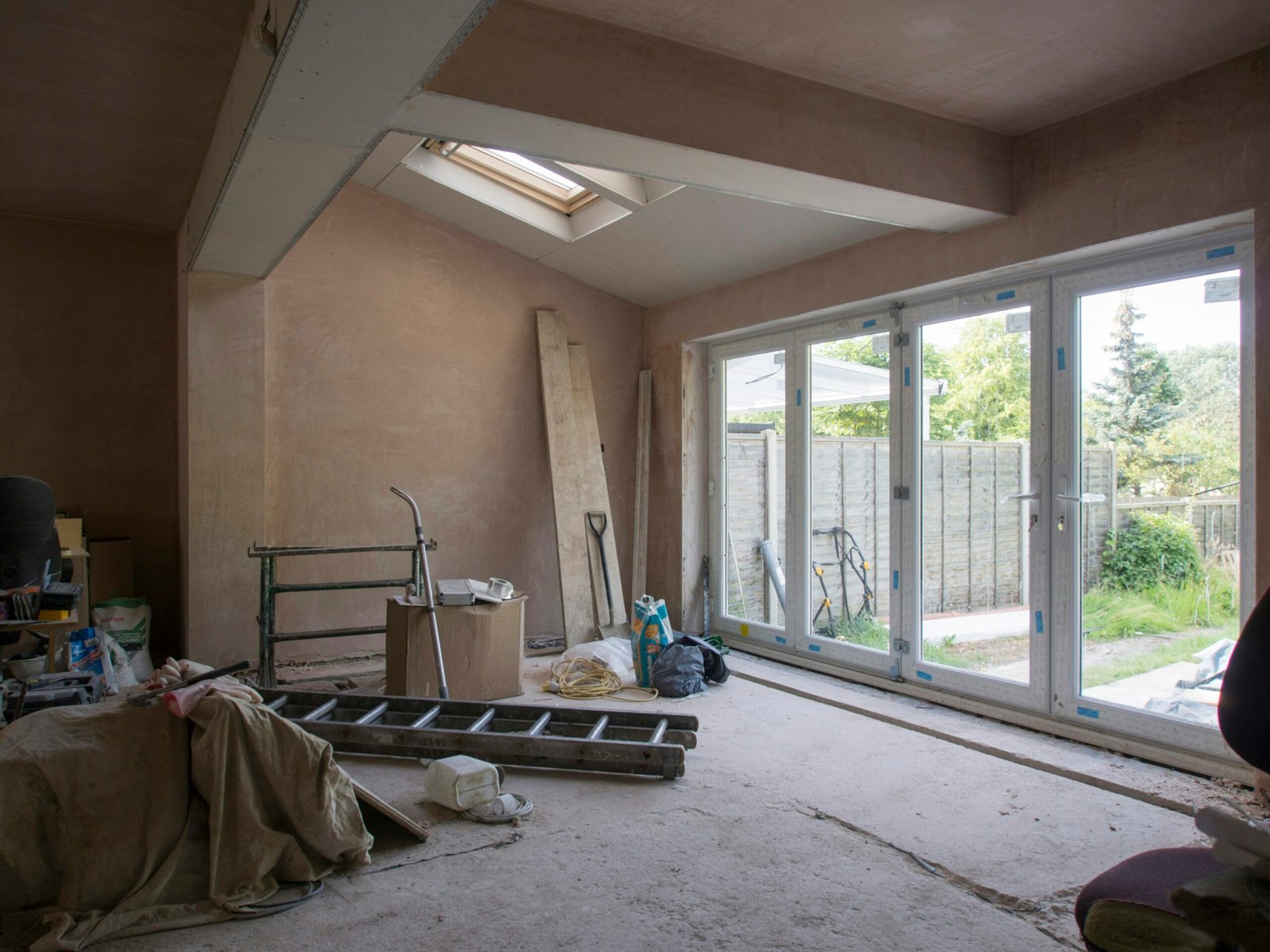
The Importance of Planning in Home Improvement
Effective planning is a fundamental cornerstone in the realm of home improvement projects. It serves as a roadmap that guides homeowners through various phases of their undertaking, ensuring that the end results align with their expectations. The first step in this essential process is defining the project’s scope. Understanding what needs to be accomplished helps in establishing clear objectives, which can significantly influence the overall outcome.
Prioritizing tasks is another critical aspect of planning. Homeowners should pinpoint the areas that require immediate attention versus those that can be addressed later. This not only streamlines the process but also helps in managing time and resources efficiently. Setting realistic objectives ensures that the project progresses smoothly without overwhelming the homeowner or straining the budget.
To enhance one’s planning capabilities, gathering inspiration from diverse sources is advisable. Home improvement magazines, online platforms like Pinterest, and social media provide a wealth of ideas and trends that can influence design choices and execution strategies. Analyzing successful projects can also illuminate potential challenges and solutions inherent to the home improvement process.
Moreover, consulting with professionals can be invaluable. Whether it’s a contractor, an architect, or an interior designer, expert insights can bridge the gap between vision and execution. Professionals can assist in addressing any practical considerations, ensuring that the project not only looks appealing but is also feasible from a structural and budgeting standpoint.
In conclusion, comprehensive planning in home improvement is critical for realizing desired outcomes. By defining the project’s scope, prioritizing tasks, gathering inspiration, and consulting with specialists, homeowners can embark on their projects with confidence, making informed decisions every step of the way.
Budgeting: Financial Foundations for Your Project
Creating a budget is a fundamental aspect of any home improvement project, providing a structured approach to managing finances throughout the renovation process. To begin, it is crucial to estimate the costs associated with the project comprehensively. This includes not only the materials and labor but also potential permits and any additional fees that may arise.
One effective methodology for budgeting is to break down the project into individual components. Each part should include cost estimates, and be aware of the market prices for materials and services. By obtaining quotes from multiple contractors, homeowners can ensure they secure the best deal for their chosen services. This strategy not only helps in identifying competitive pricing but also provides an understanding of the investment required for each aspect of the improvement.
Unexpected expenses should also be factored into the budget. Homeowners should allocate a contingency fund, typically 10-20% of the total budget, to cover unforeseen costs that may arise during renovations, such as hidden structural issues or changes in material prices. Managing these surprises effectively can prevent delays and financial strain.
Prioritizing expenses is another critical component of budgeting for home improvement. Homeowners must discern which aspects of the project are essential and which can be adjusted or delayed. This may involve splurging on high-impact features while saving on less critical components. By balancing significant investments with cost-saving measures, individuals can maintain a feasible and responsible budget throughout their home improvement journey.
In conclusion, a well-planned budget serves as the backbone of successful home improvement, allowing homeowners to navigate their projects with financial confidence and to make informed decisions along the way.
Creating a Clear Timeline: Keeping Your Project on Track
Establishing a clear and realistic timeline is crucial for the success of any home improvement project. The first step in this process is to assess the complexity of the tasks involved. More complicated projects, such as kitchen renovations or additions, typically require more extensive planning and execution time compared to simpler updates like painting or landscaping. Homeowners should begin by listing each task, estimating the time required for completion, and sequencing them logically to create a cohesive workflow.
Another important factor influencing the timeline is the availability of materials and fixtures. It is imperative to research and order all necessary supplies as early as possible to prevent project delays. Lead times for materials can vary significantly, especially for customized or specialty items. Homeowners should coordinate with suppliers and contractors to confirm the expected delivery dates to incorporate these into the overall timeline.
Contractor scheduling can also affect the timeliness of a project. If hiring professionals, it is essential to discuss their availability upfront, ensuring that your project timeline aligns with their workload and commitments. Clear communication with contractors fosters a better understanding of when specific tasks will be undertaken, thus minimizing uncertainty.
While drafting a timeline, it is also advisable to build in buffer time for unforeseen delays that may arise due to inclement weather, shipping issues, or unexpected repairs. This flexibility not only alleviates stress but also allows homeowners to deal with surprises without compromising the overall project completion date.
To effectively track progress and manage timelines, homeowners can utilize project management tools or traditional methods like Gantt charts. Regularly reviewing and adjusting the timeline, if necessary, ensures that the home improvement project remains on track, leading to a more organized and satisfying renovation experience.
Avoiding Stress and Delays: Tips for a Smooth Home Improvement Journey
Successful home improvement projects often hinge on effective communication, both with contractors and among family members. Clear and transparent conversations help align everyone’s expectations and responsibilities, relieving potential sources of stress. Before work begins, set aside time to discuss the scope of the project, timelines, and budget constraints with all parties involved. This not only fosters a sense of teamwork but also minimizes misunderstandings that can lead to unnecessary delays.
One critical aspect of managing home improvement projects is regular check-ins. Schedule brief meetings at key milestones to assess progress and address any arising concerns. This proactive approach allows for timely adjustments to plans and keeps all stakeholders informed. Documenting these discussions will serve as a valuable reference throughout the project, ensuring a shared understanding of the evolving situation.
In addition, maintaining a positive attitude is vital during renovations. Home improvement can be chaotic, and unexpected challenges are almost always part of the journey. Focusing on solutions rather than problems encourages resilience within the team and helps in keeping morale high. Consider celebrating minor achievements along the way, as this fosters motivation and reinforces commitment to the project.
It is equally important to manage expectations realistically. Understand that home improvement projects can face delays due to various factors such as weather, supply chain issues, or unforeseen structural problems. Being prepared for such contingencies will alleviate the frustration associated with timelines that shift unexpectedly. By embracing flexibility, you create a more harmonious atmosphere conducive to achieving your home improvement goals with less stress.
In conclusion, effective communication, regular assessment, a positive mindset, and realistic expectation management are key strategies for a smoother home improvement experience. Implementing these home improvement tips will help ensure that your project runs efficiently and is more enjoyable for everyone involved.
