

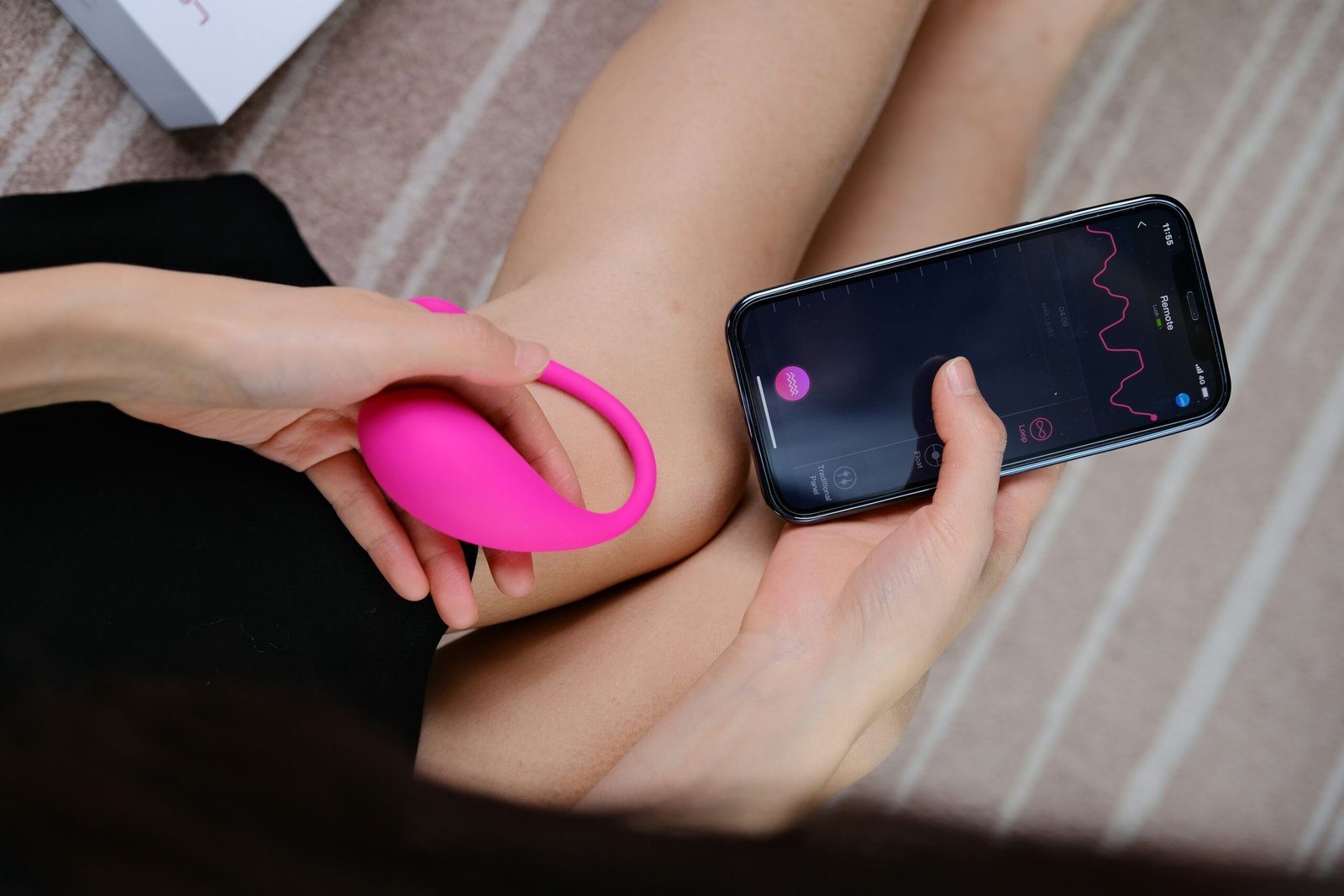
Defining Wearable Technology
Wearable technology refers to electronic devices that are designed to be worn on the body, often integrated seamlessly into daily attire. These devices are typically embedded with advanced sensors and connectivity features that allow them to interact with other devices and networks. Unlike traditional gadgets that are used in a non-wearable format, wearable technology is engineered to enhance user experience by providing insights or functions that can be accessed conveniently on the go.
Characteristics of Wearable Devices
One of the primary characteristics that distinguish wearable technology from conventional electronics is its capacity for gathering data about the user’s health, environment, and activities. This is achieved through various sensors embedded within the devices, such as heart rate monitors, accelerometers, and GPS trackers. This capability enables users to track fitness metrics, monitor vital signs, and even enhance personal safety, depending on the device’s specific functions.
Examples of Wearable Technology
There is a diverse array of wearable devices currently available on the market, each serving different purposes and audiences. Smartwatches, such as the Apple Watch and Samsung Galaxy Watch, not only tell time but also allow for notifications, health monitoring, and lifestyle management. Fitness trackers, like Fitbit or Garmin devices, focus primarily on health-related metrics, such as steps taken and sleep quality. In addition, augmented reality glasses and smart clothing represent the evolving landscape of wearable technology, offering unique functionalities and interactive experiences.
Components and Functionality
The functionality of wearable technology hinges on its core components, which include processors, sensors, and connectivity options such as Bluetooth and Wi-Fi. The integration of these elements allows devices to operate efficiently, providing real-time data and a user-friendly experience. This technology is particularly revolutionary as it makes complex information accessible and understandable, enhancing everyday life.
Key Benefits of Wearable Technology
Wearable technology has significantly transformed various aspects of daily living, primarily focusing on enhancing personal health, fitness, productivity, and overall convenience. One of the most prominent advantages of these devices is their capability to monitor personal health. Devices like smartwatches and fitness trackers enable users to keep track of vital signs such as heart rate, sleep patterns, and physical activity levels. Research shows that 70% of consumers using wearable technology for health tracking have reported positive changes in their wellness, thanks to the real-time feedback and data provided by these devices.
Another substantial benefit lies in fitness tracking. Wearable technology offers users the tools necessary to set fitness goals, track progress, and maintain motivation. For instance, a study indicated that those using fitness wearables were 30% more likely to meet their exercise targets due to the constant feedback and gamification elements these devices incorporate. Furthermore, wearable devices equipped with GPS capabilities assist in tracking outdoor activities like running or cycling, providing users with detailed insights regarding their routes and performance metrics.
In addition to health and fitness advantages, wearable technology significantly enhances productivity. Smart glasses and augmented reality devices streamline tasks by providing users with relevant information directly in their line of sight, eliminating unnecessary distractions. For example, industries like manufacturing and logistics utilize AR-equipped wearables to improve efficiency, with reports suggesting a productivity increase of up to 25% in certain environments. Additionally, smartwatches allow users to manage communications and schedules more readily, allowing for a more organized and efficient workday.
Ultimately, wearable technology acts as a catalyst for convenience, revolutionizing how individuals interact with their environment through innovative applications. As the adoption of wearables continues to rise, the myriad of benefits they offer will likely enhance both personal and professional aspects of life.
Challenges and Limitations of Wearable Technology
Despite the numerous advantages that wearable technology offers, several challenges and limitations hinder its widespread adoption and effectiveness. One of the primary concerns associated with this category of devices revolves around privacy issues. Users often have reservations about the amount of personal data being collected by these devices, which can range from health metrics to location data. This collection raises significant questions regarding how this data is utilized, stored, and shared, making privacy a critical barrier to user acceptance.
Moreover, data security remains a pressing issue. Wearable devices, being connected to the internet and capable of syncing with smartphones and other gadgets, can become vulnerable to cyberattacks. Instances of data breaches highlight the risks of sensitive information being exploited by malicious actors. As such, manufacturers of wearable technology must prioritize robust security measures to protect user data.
Another notable limitation is the accuracy of the data collected by these devices. While wearable technology has made significant strides in delivering precise readings, inaccuracies still exist, especially concerning health metrics such as heart rate and calorie counts. This uncertainty can lead to misleading information, which in turn can affect users’ health decisions or overall wellness assessments.
Battery life is another concern that can impede the user experience. Many wearable devices require frequent charging, which can be inconvenient and may restrict their usability. Users often seek devices that can last for long durations without the need for constant recharging.
Furthermore, compatibility issues with different operating systems and devices can limit the functionality of wearable technology. Finally, user adoption rates can vary significantly, influenced by factors such as demographic differences and the perceived complexity of these devices. Addressing these challenges is essential for increasing the viability and acceptance of wearable technology in everyday settings.
The Future of Wearable Technology
The landscape of wearable technology is constantly evolving, and the future promises even more impressive advancements. One significant trend is the development of smarter sensors, which are set to revolutionize how we monitor health and fitness. These advanced sensors will be capable of providing real-time data on a variety of health metrics, which could lead to more personalized healthcare solutions. Improved accuracy and sensitivity of these devices may enable users to detect health concerns earlier and take proactive measures in consultation with health professionals.
Another crucial aspect of the future of wearables is the evolution of battery technology. As devices become more capable and software becomes more complex, the demand for efficient energy sources grows. Innovations in battery design, including the potential for flexible and more sustainable materials, are essential for sustaining the functionality of various wearable technology solutions. This evolution in power storage could significantly extend the lifespan of devices, ensuring they are more user-friendly and convenient.
Furthermore, the integration of wearable technology with emerging technologies such as artificial intelligence and the Internet of Things (IoT) is expected to enhance user experience dramatically. For instance, AI could provide smart analytics that anticipate user needs, while IoT connectivity will allow wearables to communicate seamlessly with other devices. Together, these technologies will enable users to access comprehensive health insights and lifestyle recommendations tailored to their individual preferences.
As wearable technology continues to advance, its potential societal implications warrant consideration. Widespread adoption could reshape how we manage our health, interact with technology, and even influence behavioral patterns. However, it also raises important discussions around ethical concerns, data privacy, and the digital divide. As we move forward, balancing technological innovation with responsible usage will be crucial in ensuring that wearable technology benefits society as a whole.
