

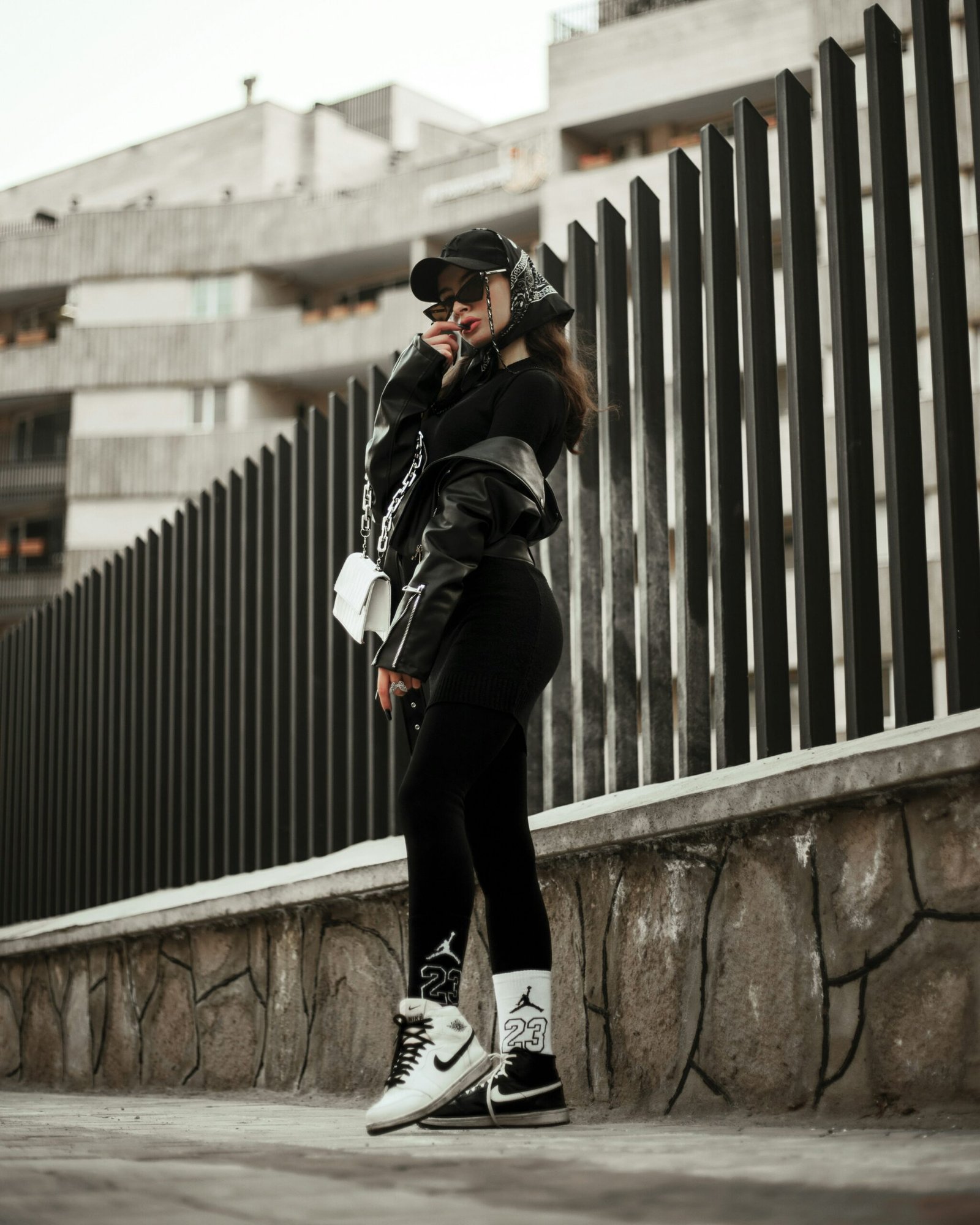
Understanding Street Style Fashion: A Brief History
Street style fashion has evolved significantly over the decades, tracing its beginnings to various subcultures that emerged in the 20th century. This unique fashion phenomenon is characterized by its roots in urban culture, influenced by the diverse styles, expressions, and identities of the individuals who inhabit these environments. The birth of street style can be credited to movements such as punk and hip-hop, both of which contributed profoundly to its development.
The punk movement, rising in the 1970s, was pivotal in shaping street style. Rejecting mainstream fashion norms, punks adopted a DIY ethos, incorporating elements of rebellion, individuality, and anti-establishment sentiments into their clothing choices. Ripped clothing, leather jackets, and distinct hairstyles became symbols of this movement. Similarly, the hip-hop culture of the 1980s introduced a new dimension to street style, merging music, art, and fashion. Artists and influencers from this genre popularized oversized clothing, athletic wear, and bold accessories, creating a distinct aesthetic that resonated with urban youth.
An additional significant influence on street style emerged from Tokyo’s vibrant Harajuku district, known for its eclectic and colorful fashion scenes. In the 1990s, the fusion of Western influences with traditional Japanese elements led to the resurgence of unique, expressive clothing, further enriching the global street style narrative. Regions around the world began to adopt and adapt these styles, resulting in a global tapestry of fashion that reflects personal identity.
As street style fashion transitioned into the mainstream, it began to shape and redefine contemporary fashion, blurring the lines between high fashion and casual wear. Today, street style is not only embraced by various demographics but serves as a significant source of inspiration for designers and brands alike, emphasizing the importance of individual expression through clothing.
Key Elements of Street Style: What Defines It?
Street style fashion is not merely a trend but a cultural phenomenon that reflects the vibrant tapestry of urban life. It is defined by a combination of individual expression, accessibility, and influences drawn from various subcultures. At its core, street style embodies a wide array of clothing items, each holding significance in representing personal identity and societal dynamics.
Among the key elements that characterize street style are popular clothing items such as oversized tees, distressed denim, and contemporary sneakers. These pieces serve as a canvas for personal expression, often allowing individuals to mix high-fashion items with vintage finds. Layering is a common technique within the street style wardrobe, where unexpected combinations can yield unique and striking looks. In addition, outerwear items such as bomber jackets and tailored coats frequently emerge as focal points, providing versatility and utility.
Accessories play a vital role in defining street style, adding a personal touch and further enhancing individual identity. Items such as beanies, statement bags, and chunky jewelry contribute to the overall aesthetic, signaling affiliations with various cultural movements. Notably, footwear is often at the forefront of street style, with sneakers not only offering comfort but serving as a form of artistic expression.
Color palettes in street style are equally diverse, ranging from muted tones to bold, vibrant hues, reflecting the wearer’s mood and personality. This versatility allows individuals to adapt their style according to the season, occasion, or social context. Importantly, street style emphasizes personalization, encouraging individuals to curate their looks in a way that showcases their unique identities, making it a powerful medium for self-expression in contemporary fashion.
Street Style Icons: Who to Look Out For
Street style fashion has gained immense popularity in recent years, largely due to the influence of various street style icons who have made significant contributions to the industry. These individuals range from well-known fashion designers to everyday influencers who embody the essence of personal style and creativity. Their unique approaches to fashion often inspire countless individuals to explore their own personal aesthetics.
One prominent figure in the realm of street style is Aimee Song, a successful fashion blogger and designer. Recognized for her effortless yet polished ensembles, Song has captivated a global audience. Her ability to blend high-end pieces with approachable streetwear encapsulates the essence of modern fashion, making her an admirable figure for those seeking to elevate their wardrobe.
Another notable street style icon is Olivia Palermo, who is often celebrated for her sophisticated yet versatile fashion choices. With a distinctive flair for mixing high-street and luxury brands, Palermo’s style has inspired many to adopt a chic and curated approach to everyday fashion. Her confident persona and keen eye for detail have established her as a lasting influence in the fashion world.
Aside from established names in fashion, social media has brought forth a new generation of icons, such as @notjaden. This Instagram sensation showcases authentic streetwear through bold and vibrant outfits, inspiring young fashion enthusiasts to embrace individual expression over conformity. The accessibility of platforms like Instagram allows aspiring style icons to emerge and thrive by sharing their unique take on contemporary fashion, creating a diverse landscape of inspiration.
In summary, street style icons come in various forms, influencing fashion through their unique approaches. Their contributions encourage creativity and self-expression, fostering a dynamic relationship between personal style and current trends. Observing these influencers not only helps individuals refine their own style but also highlights the ever-evolving nature of street fashion.
The Future of Street Style Fashion: Trends to Watch
The future of street style fashion is poised to undergo significant transformations, as emerging trends demonstrate the interconnection between culture, technology, and individual expression. One of the most noticeable shifts is the increasing influence of sustainability within the fashion realm. As awareness surrounding environmental issues rises, consumers are advocating for eco-friendly materials and ethical production methods. This shift not only encourages brands to adopt sustainable practices but also influences street style, where thrifted clothing and upcycled garments are becoming staples. The idea of fashion as an expression of personal values rather than mere aesthetics is likely to drive the future of street style.
Technological advancements also stand to reshape street fashion. Innovations such as augmented reality (AR) and virtual reality (VR) are paving the way for immersive shopping experiences. Social media platforms will continue to play a pivotal role in this evolution, as influencers leverage new technologies to showcase styles in dynamic ways, further blurring the lines between digital presence and physical fashion. Additionally, the ease with which users can curate their online persona is likely to inspire street style that reflects individual narratives, favoring uniqueness over traditional fashion norms.
Cultural shifts, too, will significantly impact the street style landscape. Emerging global perspectives and the fusion of diverse cultural elements can lead to new aesthetic values that celebrate individuality. As societies continue to embrace inclusivity and diversity, street style may evolve to encompass broader representations of gender, race, and identity. This inclusivity is expected to create a vibrant tapestry of styles, informed by various cultural backgrounds, making the street style of the future a true reflection of our shared experiences.
