

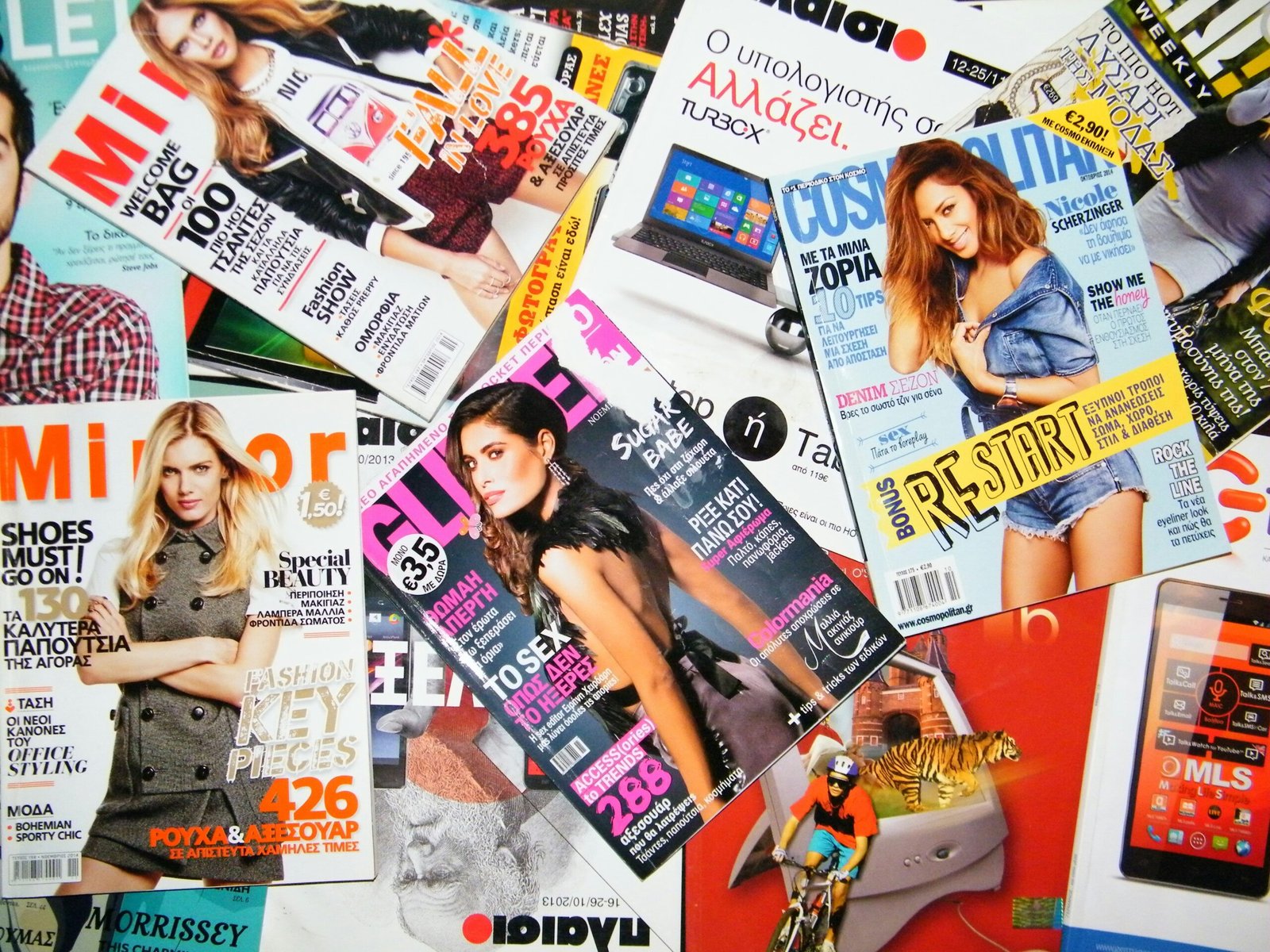
The Evolution of Entertainment Magazines
Entertainment magazines have a rich history that dates back to the early 20th century, emerging as vital sources of pop culture insight and celebrity news. The genre began gaining traction in the 1910s and 1920s, with publications such as Photoplay and Motion Picture Magazine taking center stage due to their focus on film stars and the burgeoning Hollywood scene. These magazines offered readers glimpses into the lives of their favorite actors and actresses, helping to solidify the concept of celebrity culture.
As time progressed, the 1950s and 1960s ushered in a new era of entertainment magazines, marked by the rise of Life and The Saturday Evening Post. These periodicals began to encompass a broader range of topics, from music to television, reflecting the changing landscape of entertainment. The introduction of color photography during this time significantly enhanced the visual appeal of magazines, allowing them to leverage design and aesthetics to attract and retain readers.
By the 1980s and 1990s, magazines like Entertainment Weekly and Rolling Stone further transformed the industry, embracing more modern formats and styles. The rise of the internet in the 2000s marked yet another pivotal point. Concerns about print media’s viability prompted entertainment magazines to adapt rapidly by expanding their online presence, utilizing social media platforms to engage audiences where they spend their time. This digital shift allowed magazines to offer a more immediate and interactive form of content, enhancing accessibility and real-time updates.
Throughout these decades, key figures such as influential editors and visionary publishers played instrumental roles in shaping the direction of entertainment magazines. The ongoing evolution of content, from print to digital, alongside varying consumer preferences, highlights the resilience and adaptability of the industry in the face of changing cultural dynamics.
The Role of Entertainment Magazines in Pop Culture
Entertainment magazines have long been integral to the fabric of pop culture, serving as a powerful medium through which celebrity narratives are crafted and disseminated. These publications not only report on the latest trends and events in the entertainment industry, but they also actively shape public opinion and influence consumer behavior. With each issue, entertainment magazines have the ability to set cultural benchmarks and define the societal ideals surrounding fame and celebrity status.
Through engaging cover stories and in-depth interviews, these magazines provide readers with unique insights into the lives of their favorite stars. Such exclusive content often creates a sense of intimacy, allowing fans to feel as though they are part of their idols’ lives. This phenomenon can significantly bolster a celebrity’s public image, contributing to their fame and recognizability. Moreover, the portrayal of celebrities in these magazines can impact how they are perceived by the public, highlighting a symbiotic relationship between entertainers and the media.
Additionally, entertainment magazines often capitalize on viral trends, spotlighting emerging stars, film releases, and social movements within the entertainment world. This coverage not only informs readers but also encourages them to engage with popular culture on a deeper level, fostering brand loyalty and consumer interest. As a result, these publications can drive marketing campaigns, fashion choices, and entertainment consumption.
In conclusion, the role of entertainment magazines transcends mere reporting. They are pivotal in constructing the public’s understanding of fame, influencing perceptions through curated content and celebrity narratives, which in turn shapes the very nature of pop culture itself.
Digital Transformation and the Future of Entertainment Magazines
The advent of digital media has significantly transformed the landscape of entertainment magazines, compelling these publications to adapt to a rapidly evolving environment. In recent years, print readership has witnessed a notable decline, largely attributed to the rise of online journalism and the pervasive influence of social media platforms. As audiences increasingly prefer instant access to content, entertainment magazines face the dual challenge of meeting the demands for timely updates while maintaining their traditional values of journalistic integrity and thorough reporting.
Social media has emerged as both an obstacle and an opportunity for entertainment magazines. Platforms such as Instagram, Twitter, and TikTok provide a direct avenue for engagement and content sharing, allowing magazines to reach wider audiences than ever before. Consequently, entertainment magazines must navigate the delicate balance between leveraging these platforms to enhance visibility and competing with the plethora of content produced by influencers and other online creators. The rise of user-generated content has also changed the expectations of readers, who now seek more interactive and dynamic content experiences.
In response to these challenges, many entertainment magazines are adopting innovative strategies focused on digital-first approaches. This includes the integration of multimedia elements such as video content, podcasts, and interactive storytelling, which resonate more effectively with digital audiences. Additionally, the implementation of data analytics enables magazines to better understand reader preferences and tailor their content accordingly, enhancing reader engagement.
Looking to the future, entertainment magazines can capitalize on these digital trends by fostering a hybrid model that combines the strengths of both print and digital platforms. By embracing technology and continuously evolving, these publications can ensure their relevance and sustain their cultural significance in a digital-first world. In conclusion, while the shift to digital presents challenges, it also opens a realm of possibilities for entertainment magazines to flourish and captivate new generations of readers.
The Appeal of Entertainment Magazines: Why We Can’t Get Enough
Entertainment magazines have long captivated audiences, driven by a potent mix of emotional and psychological factors. One primary draw is the sense of escapism these publications provide. For many readers, delving into the glamorous world of celebrities allows a temporary respite from the routines and stresses of everyday life. The vibrant images and sensational stories transport readers into a realm of excitement, glamour, and celebration, making the ordinary feel extraordinary.
Another significant aspect of their appeal is the thrill of gossip. The human psyche is innately curious, often eager to learn about others’ lives, especially those of public figures. Entertainment magazines satiate this curiosity by offering insider information, exclusives, and revealing anecdotes that readers might not find elsewhere. This access to the private lives of celebrities not only satisfies voyeuristic tendencies but also establishes a connection with readers, making them feel as though they are part of a shared experience.
Additionally, the vibrant blend of visuals and narratives enhances the reading experience. The synergy of striking photography and engaging stories captivates diverse audiences, appealing to various demographics. This dynamic combination allows readers to form an emotional attachment to the featured personalities, making them more invested in their journeys and challenges. It fosters a sense of belonging and community among readers who share similar interests, enhancing their overall enjoyment.
Furthermore, the format of entertainment magazines encourages a relaxed, enjoyable reading experience that allows for casual engagement with trending topics. Readers can easily flip through pages, skim articles, or indulge in in-depth features, all at their own pace. Such flexibility adds to the allure, cementing entertainment magazines as a staple source of leisure and enjoyment in a fast-paced world.
