

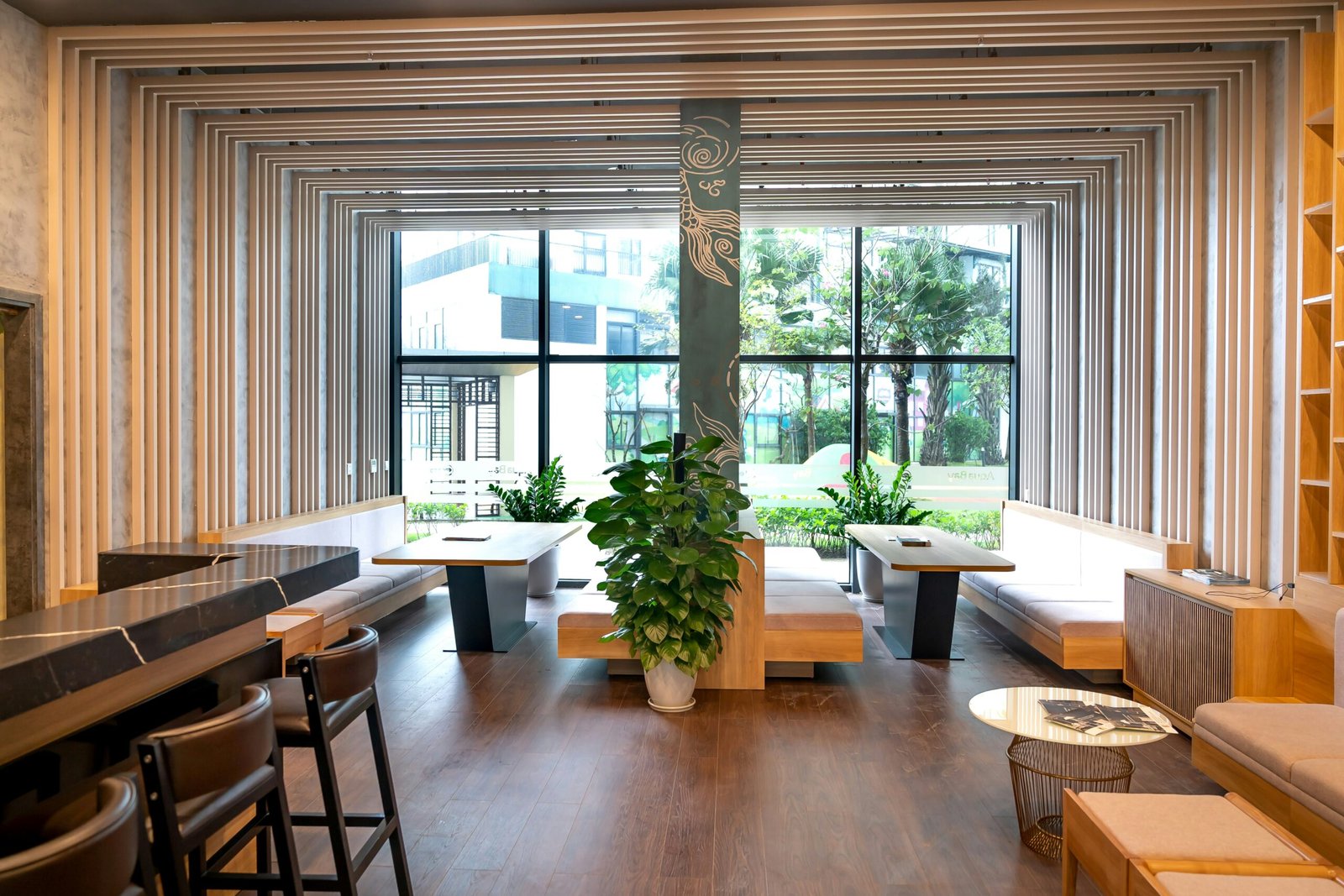
Understanding the Basics of Interior Design
Interior design is a multifaceted discipline that encompasses various foundational principles, essential for creating cohesive and aesthetically pleasing environments. One of the primary elements is color theory, which significantly affects the mood and ambiance of a space. For instance, warm colors like reds and oranges can evoke feelings of warmth and vitality, while cool colors such as blues and greens promote calmness and relaxation. A well-considered color palette ensures that a space resonates with its intended functionality and the emotional experiences of its occupants.
Another crucial aspect of interior design is spatial awareness, which involves understanding how the size and layout of a room influence both movement and usability. Proper consideration of space ensures efficient design and can make a room feel larger or more inviting. This allows for effective traffic flow, ensuring that the furniture arrangement promotes interaction while simultaneously allowing for comfortable navigation throughout the space.
Balance in design is equally important, as it creates a harmonious environment, whether through symmetrical arrangements or asymmetrical distributions of visual weight. This principle fosters a sense of equilibrium and comfort, enhancing the overall functionality of the space. When these fundamental principles—color theory, spatial awareness, and balance—are integrated into an interior design project, the outcomes are not only visually appealing but also conducive to the intended purpose of the space.
Ultimately, understanding these basics serves as the groundwork for any effective interior design project. By incorporating these strategies, designers can successfully transform spaces, making them not only appealing but also functional and comfortable for their inhabitants.
Popular Interior Design Styles and Their Characteristics
Interior design is a vast field that comprises various styles, each offering its own unique ambiance and aesthetics. Understanding these popular interior design styles can significantly enhance one’s ability to create spaces that reflect personal taste and lifestyle. Here, we will explore five distinct interior design styles: Modern, Minimalist, Industrial, Bohemian, and Scandinavian.
The Modern style is characterized by its clean lines, uncluttered spaces, and a contemporary palette that often includes neutral colors paired with bold accents. This style embraces simplicity and functionality, making it a perfect choice for those who appreciate a sleek, polished look that emphasizes open spaces.
In contrast, the Minimalist style takes simplicity to the next level by stripping away unnecessary decorative elements. It focuses on the essentials, using a limited color palette, open floor plans, and functional furniture. Minimalism evokes a sense of tranquility and order, which appeals to individuals seeking a serene living environment.
The Industrial style draws inspiration from warehouses and factories, featuring raw materials such as exposed brick, metal elements, and reclaimed wood. This style is often associated with urban living and conveys a sense of rugged charm that resonates with those who prefer an edgy, slightly vintage look.
Bohemian design, on the other hand, is a celebration of eclecticism and artistic expression. This style embraces vibrant colors, mixed patterns, and an abundance of textures. It represents a more relaxed and carefree approach to interior design, appealing to individuals who seek a personalized, story-rich atmosphere in their spaces.
Lastly, Scandinavian design emphasizes functionality, simplicity, and a connection to nature. Characterized by light colors, natural materials, and minimal ornamentation, this style creates a warm and inviting environment that is both practical and aesthetically pleasing. The Scandinavian approach often promotes a cozy atmosphere, ideal for those who value comfort and simplicity.
By understanding these popular interior design styles, individuals can identify which resonates with them and incorporate elements into their own homes, ultimately transforming their spaces to reflect their personalities and preferences.
Tips and Tricks for Effective Interior Design
Interior design is a multifaceted discipline that balances aesthetics, functionality, and personal expression. To enhance your interior spaces effectively, consider the following practical tips that can lead you to create an inviting and harmonious environment.
First, selecting the right furniture is pivotal. Aim for pieces that not only complement the style of the room but also fit the scale of the space. Oversized furniture can overwhelm smaller rooms and vice versa, leading to a disjointed look. When choosing furniture, it’s beneficial to consider the room’s primary use. Multi-functional furniture, such as sofas that convert into beds or coffee tables with storage, can maximize utility without sacrificing visual appeal.
Effective lighting can dramatically transform an interior. Combine ambient, task, and accent lighting to create depth and warmth. Use dimmers to adjust the light according to the time of day and mood. Natural light should also be harnessed, so consider window treatments that allow daylight while providing privacy. Strategic lighting not only enhances the aesthetic appeal but also highlights design elements and colors.
Arranging decor to promote visual flow is crucial. Keep in mind the principle of balance; distribute different elements within the space to avoid clutter. Use a mixture of textures and colors to create interest, and consider employing the rule of thirds when placing artwork or decorative objects. Creating focal points, such as an eye-catching piece of art or a unique light fixture, draws attention and ties the room together.
Finally, be mindful of common mistakes such as overcrowding a space with excessive decor or ignoring scale and proportion. A thoughtfully curated interior that reflects your personal style can enhance your living experience immensely, allowing you to enjoy both comfort and beauty in your space.
Sustainable Interior Design Practices
In recent years, the importance of sustainability has become increasingly evident in the field of interior design. As awareness about environmental issues grows, designers and homeowners alike are seeking ways to make eco-friendly choices when creating functional and aesthetically pleasing spaces. Sustainable interior design practices focus on minimizing their ecological footprint while maximizing aesthetic appeal.
One of the key elements of sustainable interior design is the use of eco-friendly materials. Natural materials such as bamboo, reclaimed wood, and recycled metal not only contribute to a healthier environment but also add warmth and character to spaces. Additionally, choosing non-toxic paints and finishes can help improve indoor air quality, making spaces safer for occupants. Designers are now considering the life cycle of materials, opting for sourced items that are both renewable and have a lower impact on the environment.
Sustainable design practices extend beyond material selection; they also encompass energy efficiency and waste reduction. Incorporating strategies such as optimizing natural light through thoughtful window placement can reduce the need for artificial lighting. Furthermore, appliances that meet energy efficiency standards contribute to significant long-term savings while supporting environmental sustainability. By implementing these practices, designers can create spaces that are not only beautiful but also responsible.
It is essential for designers to balance functionality with environmental consciousness. Homeowners are increasingly seeking out stylish solutions that reflect their values while also achieving effective use of space. By embracing sustainable interior design practices, it’s possible to craft exquisite environments that showcase a commitment to preserving our planet without compromising on design integrity.
