

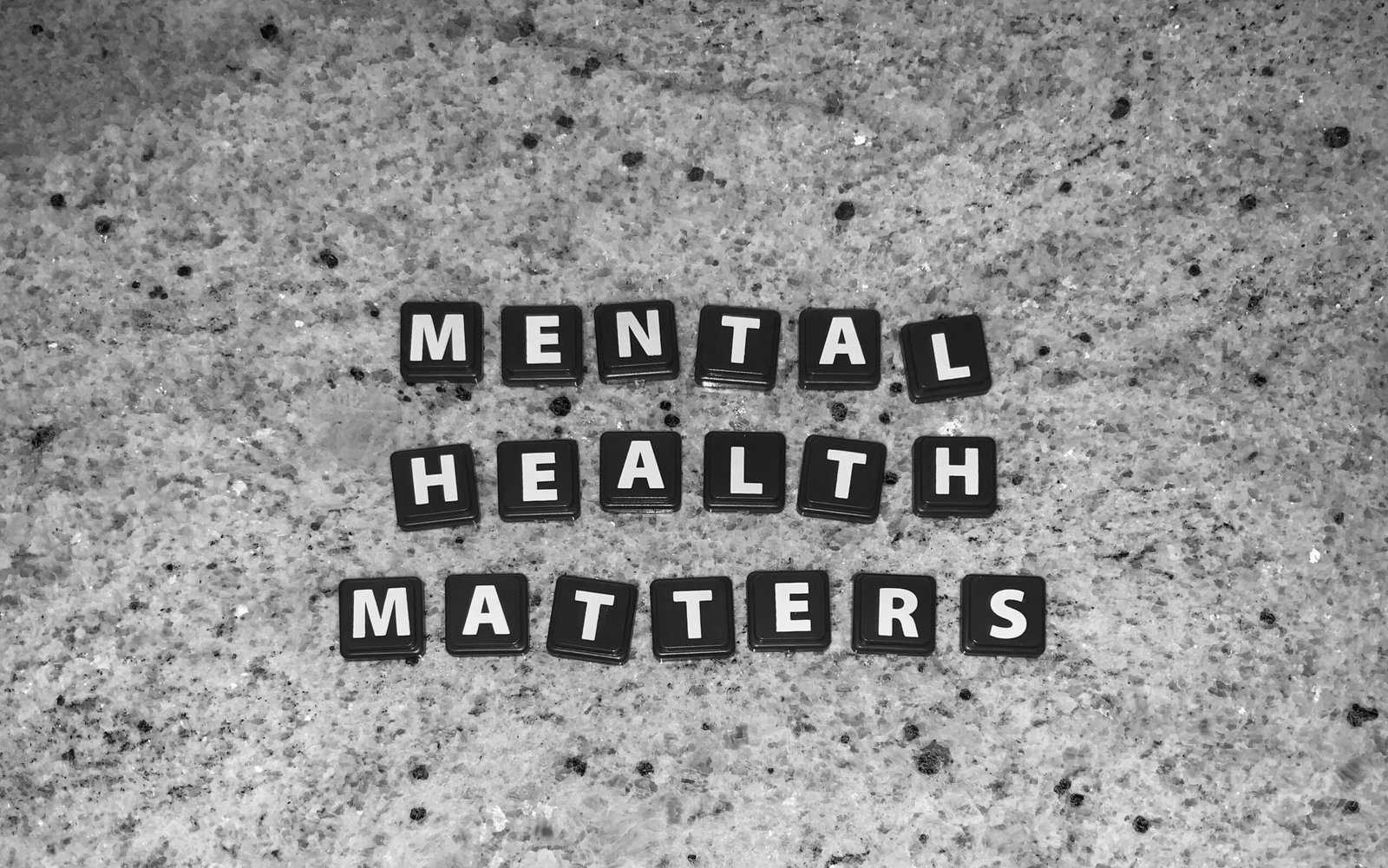
Understanding Mental Health
Mental health refers to a person’s emotional, psychological, and social well-being. It encompasses how individuals think, feel, and behave in their daily lives. Mental health is crucial, as it affects our ability to cope with stress, relate to others, and make decisions. Furthermore, just as physical health is foundational to bodily functions, mental health is essential for overall wellness and quality of life.
The components that contribute to mental health are numerous and interconnected. Emotional factors include our capacity to manage emotions such as anger, sadness, and happiness. Psychological elements pertain to cognitive functions like perception, belief systems, and resilience. Social factors involve our relationships and interactions within family, workplace, and community contexts. Together, these elements create a framework that influences mental health, shaping our daily experiences and responses.
It is important to recognize that mental health disorders are common and affect people across all demographics. Conditions such as anxiety disorders, depression, schizophrenia, and bipolar disorder have become increasingly prevalent, impacting millions worldwide. These disorders can disrupt a person’s daily life, affecting relationships, work performance, and physical health. The stigma surrounding mental health issues can exacerbate these challenges, preventing individuals from seeking the help they need.
Understanding mental health is thus not merely an academic exercise but a vital necessity for fostering a society where individuals prioritize their well-being and support one another. Increasing awareness and dispelling myths related to mental health can lead to more inclusive discussions and better intervention strategies that can transform lives. Addressing mental health needs, recognizing the signs of disorders, and providing support networks enhances overall societal well-being.
Common Challenges to Mental Health
Mental health is influenced by a complex array of factors, including environmental, societal, and psychological elements. One significant challenge is the stigma that surrounds mental health issues. Many individuals may feel pressured to conceal their struggles due to fear of judgment, which can further exacerbate their condition. This stigmatization not only affects those struggling with mental health problems but also hinders society’s ability to foster open discussions and support systems.
Furthermore, the impact of stress and trauma cannot be understated. Events such as the loss of a loved one, job insecurity, or exposure to violence can significantly disrupt an individual’s mental equilibrium. These situations often lead to conditions such as anxiety disorders, depression, and post-traumatic stress disorder (PTSD), making it essential for communities to address trauma and offer resilient coping mechanisms.
Lifestyle choices also play a pivotal role in determining mental health. Poor nutrition, lack of physical activity, and inadequate sleep have been linked to deteriorating mental health outcomes. Conversely, engaging in regular exercise, maintaining balanced nutrition, and prioritizing sleep can enhance mental well-being. Therefore, adopting healthier lifestyle habits is a proactive step toward improving overall mental health.
Lastly, societal pressures, particularly those propagated through social media, create unique challenges for mental health. The constant comparison with others can lead to feelings of inadequacy and low self-esteem, often contributing to anxiety and depression in vulnerable individuals. The curated portrayals on social media platforms can distort reality, leading individuals to develop unrealistic expectations of themselves and their lives.
Signs and Symptoms of Mental Health Issues
Mental health issues manifest in various ways, affecting individuals differently based on the type of disorder and their personal circumstances. Understanding these signs and symptoms is crucial for early intervention, which can significantly improve outcomes. Common mental health conditions include anxiety disorders, depression, bipolar disorder, and schizophrenia, each presenting unique challenges.
Anxiety disorders are characterized by excessive worry, fears, or panic attacks. Individuals may experience physical symptoms such as increased heart rate, sweating, or trembling, alongside emotional symptoms like restlessness or irritability. Recognizing these early signs of anxiety is essential to prevent them from escalating into more severe conditions.
Depression, another prevalent mental health concern, often presents with persistent feelings of sadness, hopelessness, or a lack of interest in activities that once brought joy. Individuals may also experience changes in appetite, sleep disturbances, fatigue, or even suicidal thoughts. Understanding these symptoms can lead to timely intervention and support.
Bipolar disorder is marked by extreme mood swings ranging from manic episodes to depressive phases. Signs of mania may include heightened energy, racing thoughts, or impulsive behavior, while depressive phases align closely with the symptoms of major depression. Being aware of these mood fluctuations can aid in seeking appropriate help.
Lastly, schizophrenia can cause significant disruptions in thought processes, perceptions, and emotional responses. Symptoms might include hallucinations, delusions, disorganized speech, and impaired functioning. Identifying these symptoms allows for early diagnosis and treatment, which can improve the quality of life for those affected.
Recognizing these signs and symptoms can not only aid individuals in seeking help but also enable friends and family members to provide the necessary support. Awareness of mental health issues is a critical step towards fostering a more understanding and compassionate society.
Strategies for Maintaining Mental Wellness
Maintaining mental wellness is essential for overall well-being and can be achieved through various strategies that address both the mind and body. One effective approach is incorporating lifestyle changes, which can greatly enhance mental health. Regular physical activity, for instance, not only promotes physical fitness but also releases endorphins that improve mood and reduce feelings of anxiety and depression. Aim for at least 30 minutes of exercise several times a week to reap the psychological benefits.
Another vital aspect is stress management. Techniques such as mindfulness and meditation can greatly assist in achieving mental clarity and emotional stability. By dedicating time to mindfulness practices, individuals can learn to manage their thoughts and emotions more effectively, fostering a calmer state of mind. Engaging in hobbies or activities that bring joy can also serve as an effective distraction from daily stressors.
Building and fostering supportive relationships plays a significant role in promoting mental wellness. Healthy connections with family and friends can provide a strong support system, allowing individuals to share their thoughts and feelings freely. It is crucial to prioritize these relationships and seek out social interaction, which can prevent feelings of isolation and loneliness.
In addition to these practices, self-care should not be overlooked. Taking time for oneself, whether through relaxation techniques, pursuing interests, or simply resting, is essential for balancing life’s demands and maintaining a positive mindset. Finally, seeking professional help from a therapist or counselor can provide tailored strategies and support. Mental health specialists can offer insights and coping mechanisms, ensuring that individuals manage their mental health effectively. By employing these strategies, individuals can enhance their mental well-being and ensure a better quality of life.
