

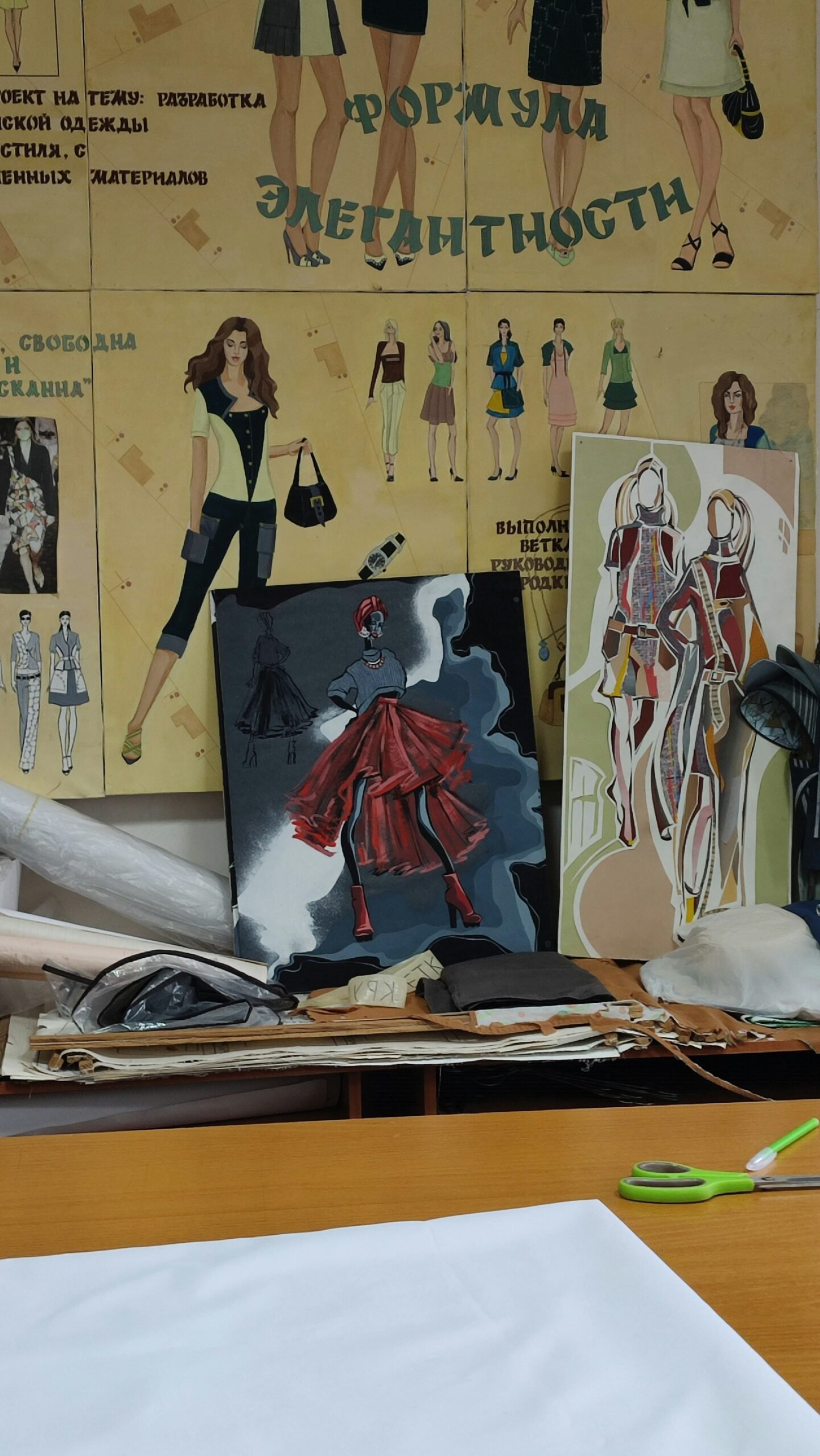
The Evolution of Fashion Design
The journey of fashion design is an intricate tapestry woven with history, culture, and innovation. From its humble beginnings, where garments were fashioned through meticulous tailoring by skilled artisans, to the grand spectacles of haute couture we see today, the evolution of fashion design showcases a remarkable transformation influenced by various historical milestones.
One pivotal moment in this evolution was the Industrial Revolution in the late 18th century, which revolutionized production processes. The introduction of mechanized clothing manufacturing enabled the mass production of garments, making fashion more accessible to the general public. This transition not only democratized fashion but also birthed the ready-to-wear movement, which further reshaped the industry by allowing consumers to buy off-the-rack clothing without the need for tailoring.
As society progressed, so too did the role of fashion designers. The emergence of influential designers such as Charles Frederick Worth, often referred to as the father of haute couture, marked a significant turnaround in the perception of fashion. No longer relegated merely to functional attire, clothing transformed into a medium of artistic expression and individuality, setting the stage for future generations of creative minds in the fashion industry.
Technological advancements and social change played critical roles in shaping modern fashion. The advent of synthetic materials, digital printing, and sustainable practices have opened new avenues for innovation among contemporary fashion designers. Furthermore, the rise of social media and online platforms has allowed designers to reach a global audience, fostering a new wave of diversity and inclusion in fashion.
Through these transformative periods, fashion designers have continually adapted, drawing inspiration from their surroundings while influencing broader cultural movements. The narrative of fashion design is thus not merely about clothing; it is a reflection of societal values, technological progress, and the persistent pursuit of creativity.
Influential Fashion Designers Who Shaped the Industry
Throughout the history of fashion, several iconic designers have made significant contributions that have changed the industry landscape. Notably, Coco Chanel revolutionized women’s fashion by introducing a more relaxed style that liberated women from the constraints of corsetry. Her design philosophy focused on simplicity and elegance, embodied in her timeless creations such as the Chanel No. 5 fragrance and the classic little black dress.
Christian Dior is another pivotal figure whose innovative approach helped define modern femininity. His “New Look,” characterized by a cinched waist and voluminous skirts, emerged post-World War II and symbolized a return to luxury and femininity after years of fabric austerity. Dior’s vision transformed the fashion industry, reinvigorating interest in haute couture and inspiring a generation of designers to embrace bold shapes and luxurious materials.
Alexander McQueen, recognized for his theatrical fashion shows and avant-garde techniques, pushed the boundaries of design. His unique style was often dark and macabre, drawing inspiration from history, art, and nature. McQueen’s ability to combine thought-provoking themes with impeccable craftsmanship made him one of the most influential designers of his time. His legacy includes innovative garments that challenge conventional aesthetics while addressing social issues through fashion.
Yves Saint Laurent is also a critical name in this discussion, known for demystifying high fashion and making it accessible. He popularized ready-to-wear collections and introduced the tuxedo jacket for women, a bold move that redefined gender norms in fashion. Saint Laurent’s artistic collaboration with notable photographers and his eye for color and tailoring have left an enduring mark on the realm of design.
These iconic fashion designers not only created influential collections but also shaped the broader cultural context of fashion, encouraging self-expression and empowering future generations of designers in the process.
The Role of Fashion Designers in Contemporary Society
In today’s rapidly evolving global environment, the role of fashion designers extends far beyond the creation of aesthetically pleasing garments. Contemporary designers are increasingly recognized as influencers capable of addressing pivotal societal challenges such as sustainability, diversity, and inclusivity. This transformational approach not only redefines the purpose of fashion but also elevates the designer’s contribution to cultural discourse.
One significant aspect of this evolution is the focus on sustainability. Fashion designers are now tasked with a critical responsibility to innovate and adopt eco-friendly practices. This includes utilizing sustainable materials, reducing waste, and endorsing ethical labor practices in their production processes. Designers like Stella McCartney have pioneered eco-conscious fashion, showcasing that style can coexist harmoniously with environmental stewardship.
Diversity and inclusivity are also at the forefront of contemporary fashion. Designers are recognizing the importance of representing various body types, ethnicities, and gender identities within their collections. This shift has fostered a more inclusive atmosphere in the fashion industry, where brands such as Savage X Fenty, led by Rihanna, have championed the cause, offering a broad range of sizes and promoting body positivity. Moreover, designers are leveraging their platforms to amplify marginalized voices, thus enriching the cultural landscape.
The influence of fashion designers extends into the realm of social dialogue as well. They are increasingly addressing pressing societal issues through their work, using fashion as a medium for commentary. For instance, the recent collections from Balenciaga have sparked discussions about consumerism and its impact on modern society. Designers are leveraging their visibility to foster conversations that encourage critical thinking and societal engagement.
In conclusion, the role of fashion designers in contemporary society has evolved significantly. By addressing issues related to sustainability, diversity, and social consciousness, these visionaries are not only shaping the future of fashion but are also fostering meaningful dialogues that extend beyond garments and runways.
The Future of Fashion Design
The landscape of fashion design is undergoing significant transformations driven by technological advancements and changing consumer expectations. As we look to the future, the integration of artificial intelligence (AI) into the creative processes of fashion designers stands out as a defining trend. AI has the potential to streamline design tasks, enabling designers to analyze current trends, predict style preferences, and optimize production processes effectively. Coupled with virtual fashion, which allows designers to create digital garments for avatars or virtual runways, this technology is reshaping how fashion is conceived and consumed.
Moreover, sustainability practices are becoming increasingly crucial in the fashion industry. With a growing awareness of environmental issues, both established and emerging designers are prioritizing eco-friendly materials and ethical manufacturing processes. This shift not only meets consumer demand for sustainable fashion but also redefines the principles of fashion design. The future may witness a more circular fashion economy, where waste is minimized, and resources are maximized, leading to innovative designs that reflect these values.
Furthermore, the post-pandemic world has ushered in a new era of consumer behavior that fashion designers must navigate. The shift towards online shopping has accelerated the need for digital engagement, pushing designers to develop more interactive and personalized online experiences. This evolution offers emerging designers unique opportunities to reach a global audience and establish their distinct voices in an ever-competitive market.
In conclusion, the future of fashion design is poised for an exciting transformation fueled by technology, sustainability, and shifting consumer expectations. As fashion designers adapt to these changes, they will redefine what fashion means, ensuring the industry remains vibrant and relevant in the years to come.
